When a motorcycle owner says ‘I need a good bike shop,’ the actual job can mean anything from changing a tire to fabricating a one-off frame. Those are very different skills, tools and responsibilities.
General maintenance and service
A service mechanic typically deals with regular maintenance, diagnostics, tire service, brakes and repairs within the range of bikes their shop supports. Ask about the exact make, year, engine and electronic platform. A shop focused on older carbureted cruisers may not be equipped for a modern computer-controlled model, and the opposite can be true.
Ask for a written diagnosis procedure and estimate before major labor begins. Be cautious about anyone claiming a guarantee before the motorcycle has been inspected.
Engine rebuilding and performance
Engine specialists may focus on machining, bottom-end assemblies, top-end service, calibration and dyno work. A ‘performance shop’ can also be a general business with little internal engine-machine capability. Ask what work is performed in-house and whether outside machine services are documented.
A dyno chart needs context: corrections, environmental conditions, drivetrain losses and model configurations all affect the meaning of a number. A single claimed horsepower figure does not establish durability.
Custom fabrication and chassis
Fabricators may build exhaust systems, brackets, tanks, fenders and chassis components. Structural welds and geometry changes are not cosmetic work. A rider should understand the materials, inspection and road-use implications before commissioning a hardtail or steering geometry modification.
When a parts seller notes it no longer installs its own hardtail kits, that illustrates a real distinction between supplying a component and taking responsibility for the installation.
Restoration and preservation
Restoration can involve finding original parts, reconstructing wiring, repairing aged fasteners and determining whether an old repair was sound. The goal may be historical accuracy, reliable riding or a respectful custom build. Establish that goal clearly before ordering rare parts or dismantling a survivor bike.
Photographs and work records are especially important because future mechanics may have no factory documentation describing later modifications.
A better business directory standard
We want entries to say what a shop actually does, its service territory, whether it takes walk-ins, the vehicles it supports and where that information came from. A ‘motorcycle friendly’ description is different from verified hours and different again from a third-party endorsement.
Shops can submit corrections or updated information. No business should be given a glowing review simply because it has a strong visual brand.
Sources
- TC Bros. — FAQ describing its service boundaries
- Lowbrow Customs — About its parts operation
- Biker Free Press — Business Directory
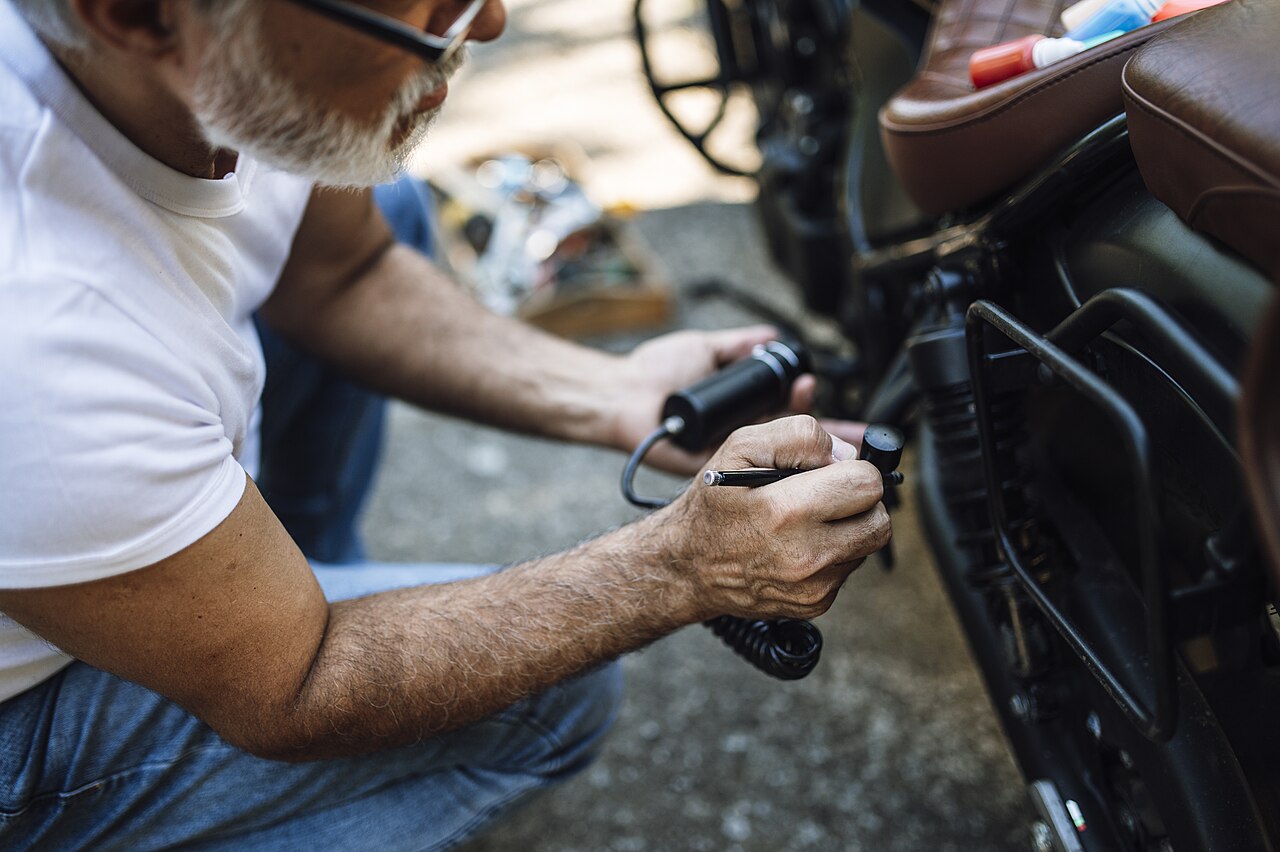
Biker Free Press research profile / practical business guide, November 2026. We have not visited or tested this business unless expressly stated. Images are general motorcycle illustrations: Shixart1985, Wikimedia Commons, CC BY 2.0.