RIDER TECHNOLOGY / EICMA 2026 / RESEARCH CHECKED NOVEMBER 16, 2026
Motorcycle rider-assistance systems are becoming more sophisticated, and Honda has now provided detailed public documentation for its new SENSING RIDE package. The company says its first application will be on the 2027 CRF1150L Africa Twin Adventure Sports, with functions aimed at distance management, rider warnings and certain braking assistance.
Two radar units and an assessment of the rider’s surroundings
Honda’s November 3 technical announcement describes millimetre-wave radar units mounted at each end of the motorcycle. The system uses information about the surrounding traffic and motorcycle conditions to provide notifications, warnings and limited operational assistance.
This is not self-driving technology. The manufacturer’s own statement cautions that weather, traffic, road and system limitations can prevent features from working as expected. The rider remains responsible for control and hazard awareness.
Adaptive cruise, including stop-and-go assistance
The system’s adaptive cruise control is intended to maintain a selected speed and distance from traffic ahead. Honda says a Stop & Go extension works with its Dual-Clutch Transmission to reduce repeated acceleration and deceleration input during congestion. That benefit depends on the equipped model and the circumstances in which the system is available.
A rider should understand minimum operating speeds, sensor limits, manual override procedures and the fact that adaptive cruise cannot judge every hazard like a skilled rider.
Group Ride Assist is particularly interesting to club riders
Honda describes Group Ride Assist as an extension of adaptive cruise that helps riders maintain suitable spacing within a group, including staggered formations. For clubs and independent groups, this is worth examining because uneven spacing and accordion effects can undermine a carefully planned ride.
It does not grant permission to block intersections or eliminate the need for a ride briefing. Riders should still agree on leader/sweep arrangements, separation plans and safe following distance independent of electronics.
Blind spots, brake warnings and rider assistance
The announced functions include blind-spot indication using a mirror warning, rear distance information, rear collision warning, forward collision warning, brake pulse, emergency brake assistance, and distance assistance under specified rider inputs. Honda describes emergency brake assistance as aiding braking when the rider is already braking—not as a promise that the motorcycle will independently prevent every collision.
Each feature has its own detection and intervention limits. The official technical document is the authority for the exact definitions; condensed promotional phrases can overstate what the bike does.
What has not been tested by BfP
We have not used the radar system in traffic, evaluated false alerts, compared it against competitors, or measured its performance in rain or group rides. The announcement concerns a 2027 model unveiled for the European market; local pricing, configuration and availability require separate confirmation.
We will look for independent testing under documented conditions before treating the system as proven in normal highway and rally use.
Original documents and reporting
- Honda Global — SENSING RIDE technical announcement, November 3
- Honda Global — 2027 Africa Twin and EICMA model announcements
- Motorcycle Safety Foundation — group riding
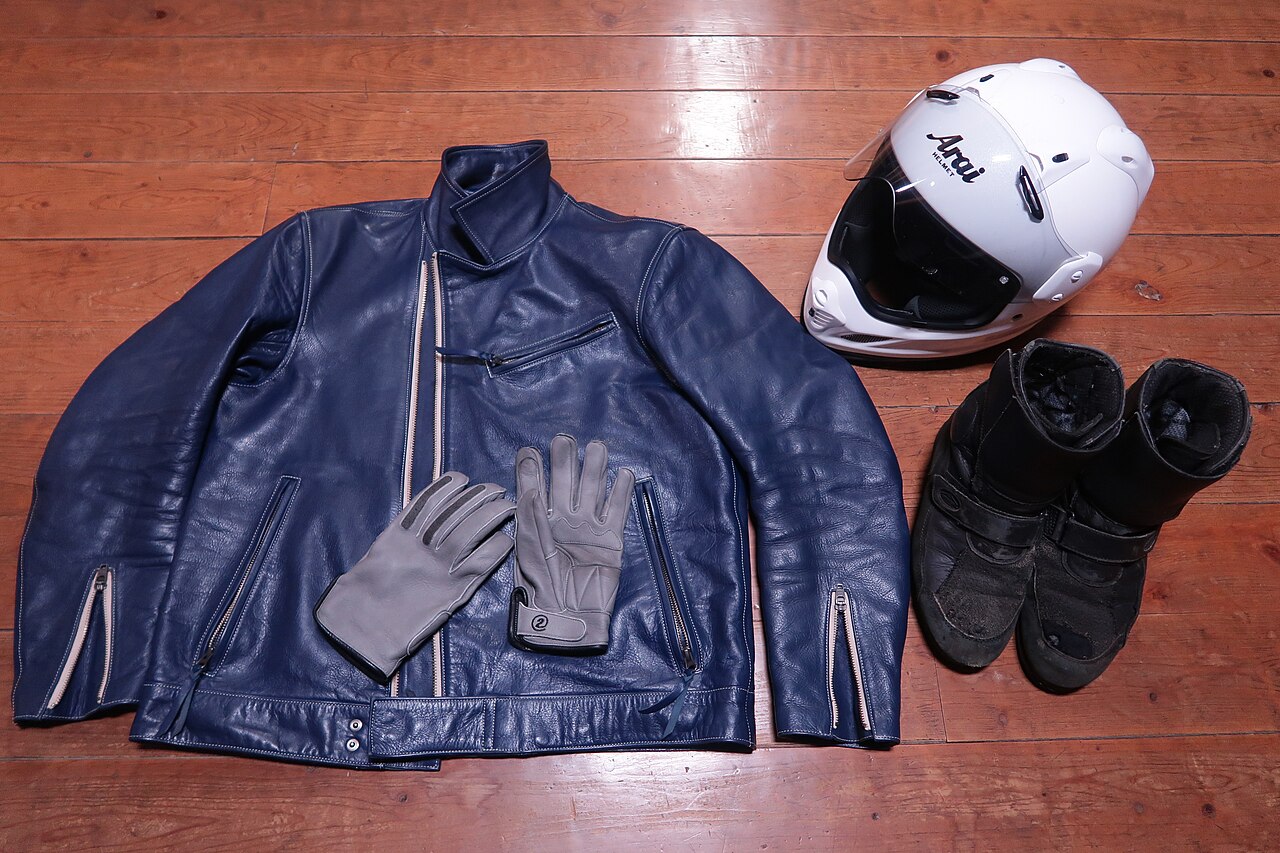
Reporting method: original, source-linked analysis of the indicated release, regulator filing or technical documents; no claim of firsthand interviews or test rides. Featured image: Generic motorcycle protective equipment by サフィル, CC BY-SA 4.0, Wikimedia Commons. It is not a photograph of the Honda SENSING RIDE system or the 2027 Africa Twin. Image used as an illustrative archive with crop and attribution.