
THE RIDER’S KIT
Motorcycle Gear & Reviews
Explore specific motorcycle helmets, riding jackets, protective boots, airbag systems, touring electronics, heated gear and accessories. The Gear Test Bench evaluates named products from documented specifications, while our educational library explains certification, fit, protection and the decisions that matter on the road.
FEATURED FROM THIS DESK
Archive and illustrative photography. Image and licence credits.
THE BFP GEAR TEST BENCH / 13 SPECIFIC PRODUCT FILES
REAL GEAR. REAL SPECIFICATIONS. NO MADE-UP SCORES.
Browse motorcycle gear by actual manufacturer and model. These research files cover documented protection and technical features, likely rider-fit considerations, practical tradeoffs, compatible accessories and questions worth asking before buying. Unlike a hands-on road test, each profile is based on publicly available manufacturer documentation; we’re transparent about that distinction.
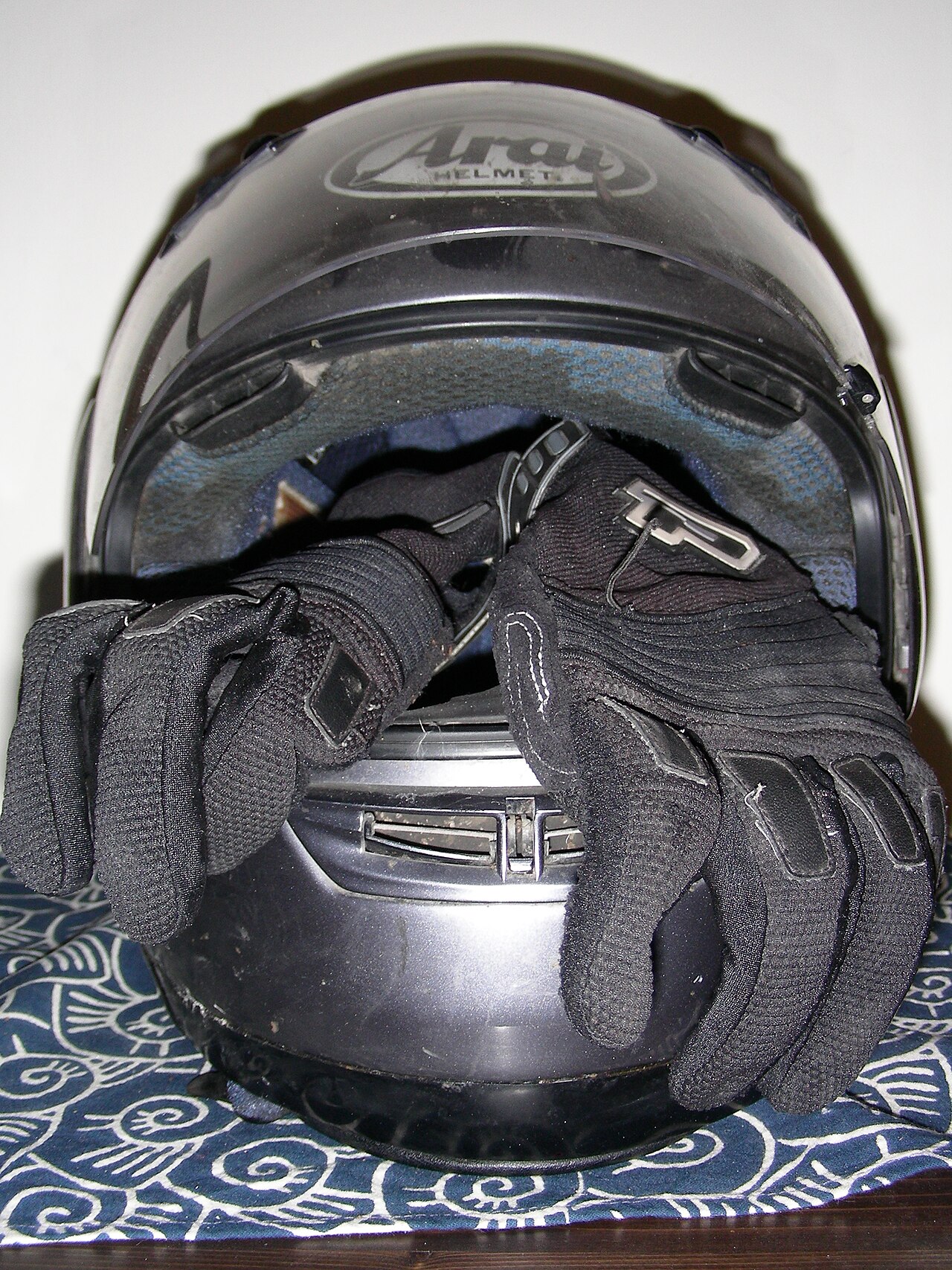
HELMET / TOURING
SHOEI GT-Air 3
Integrated sun shield, DOT variant, ventilation, shield/liner availability and Comlink questions.
HELMET / FIT
Arai Contour-X
Intermediate-oval shell fit, vent configuration, VAS-V visor and intercom clearance.
HELMET / MODULAR
SCHUBERTH C5
ECE 22.06 P/J certification, flip-up mechanism, communication fit and regional approvals.
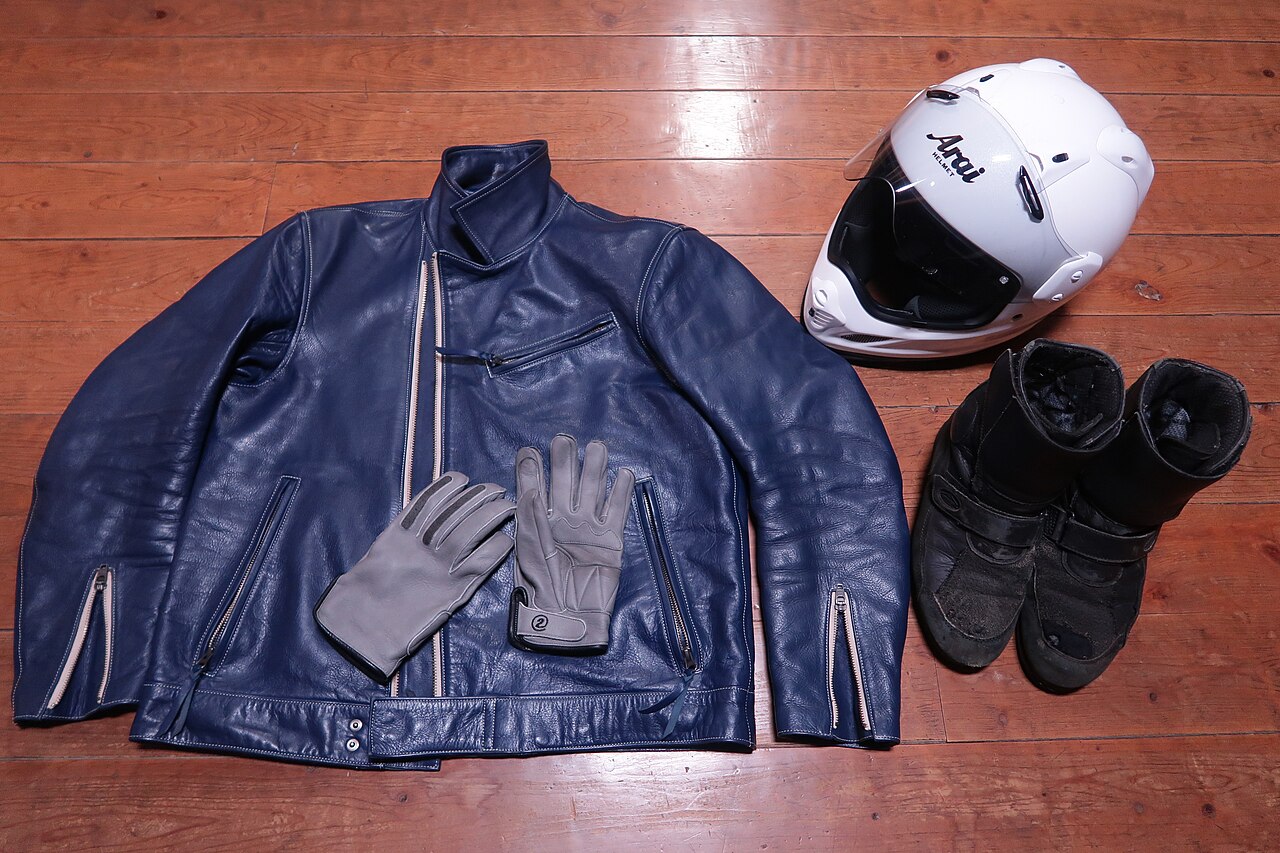
PROTECTIVE JACKET
REV’IT! Sand 5 H2O
Class AA garment, separate rain and thermal layers, back armour and long-tour fitting.
TOURING JACKET
KLIM Badlands Pro
Laminated GORE-TEX, Class AA, Level 2 armour, climate tradeoffs and comfort.
BOOTS / CRUISER
TCX Hero 2 WP
Traditional leather style with EN 13634 certification, waterproof membrane and zip closure.
AIRBAG SYSTEM
Alpinestars Tech-Air 5 Plasma
Upper-body coverage, ride modes, replaceable inflator and critical garment compatibility.
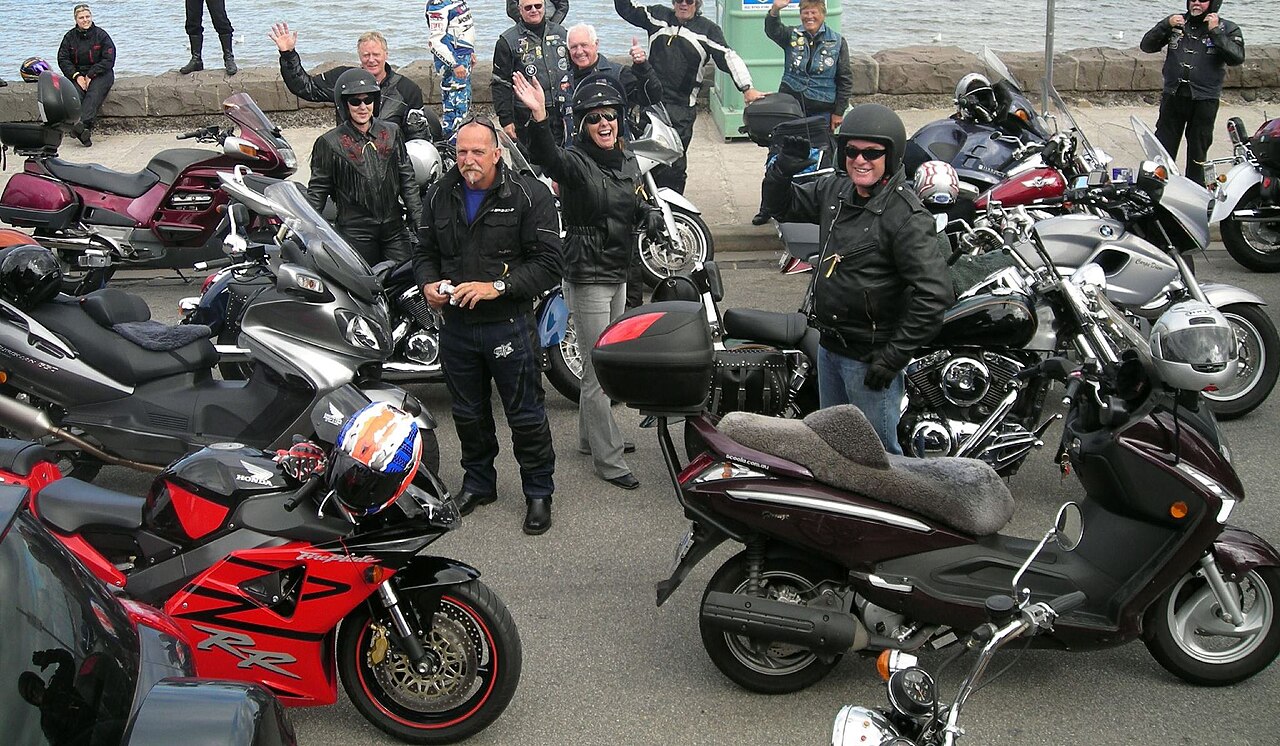
GROUP COMMUNICATIONS
Cardo Packtalk Edge
Mesh reconnection, advertised range, helmet fit and real group-device compatibility.
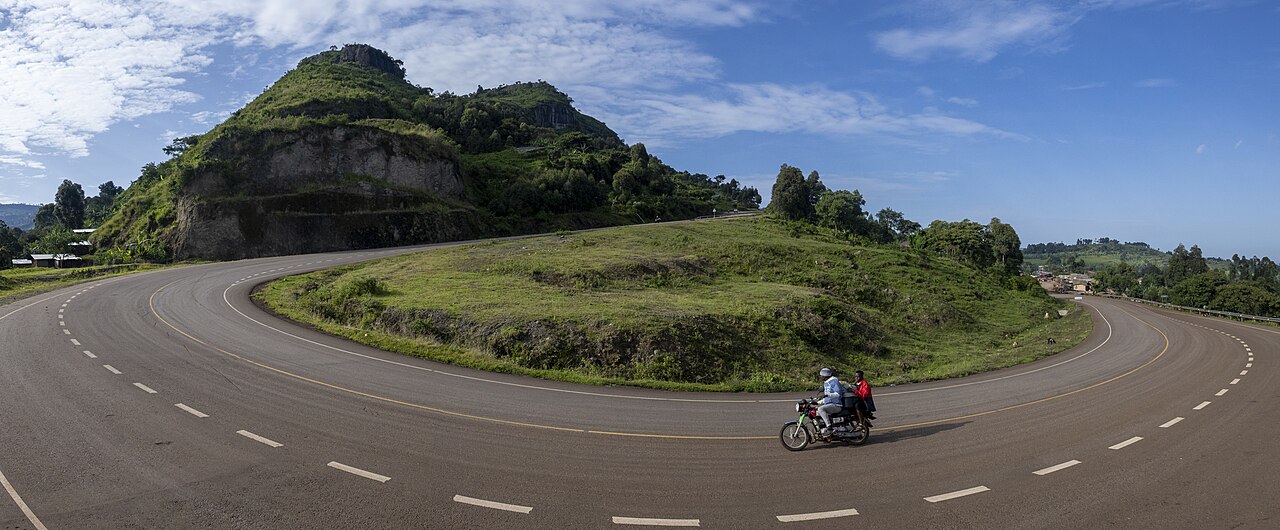
NAVIGATION
Garmin zūmo XT2
Six-inch GPS, waterproofing, routing tools and XT2 versus newer-generation questions.
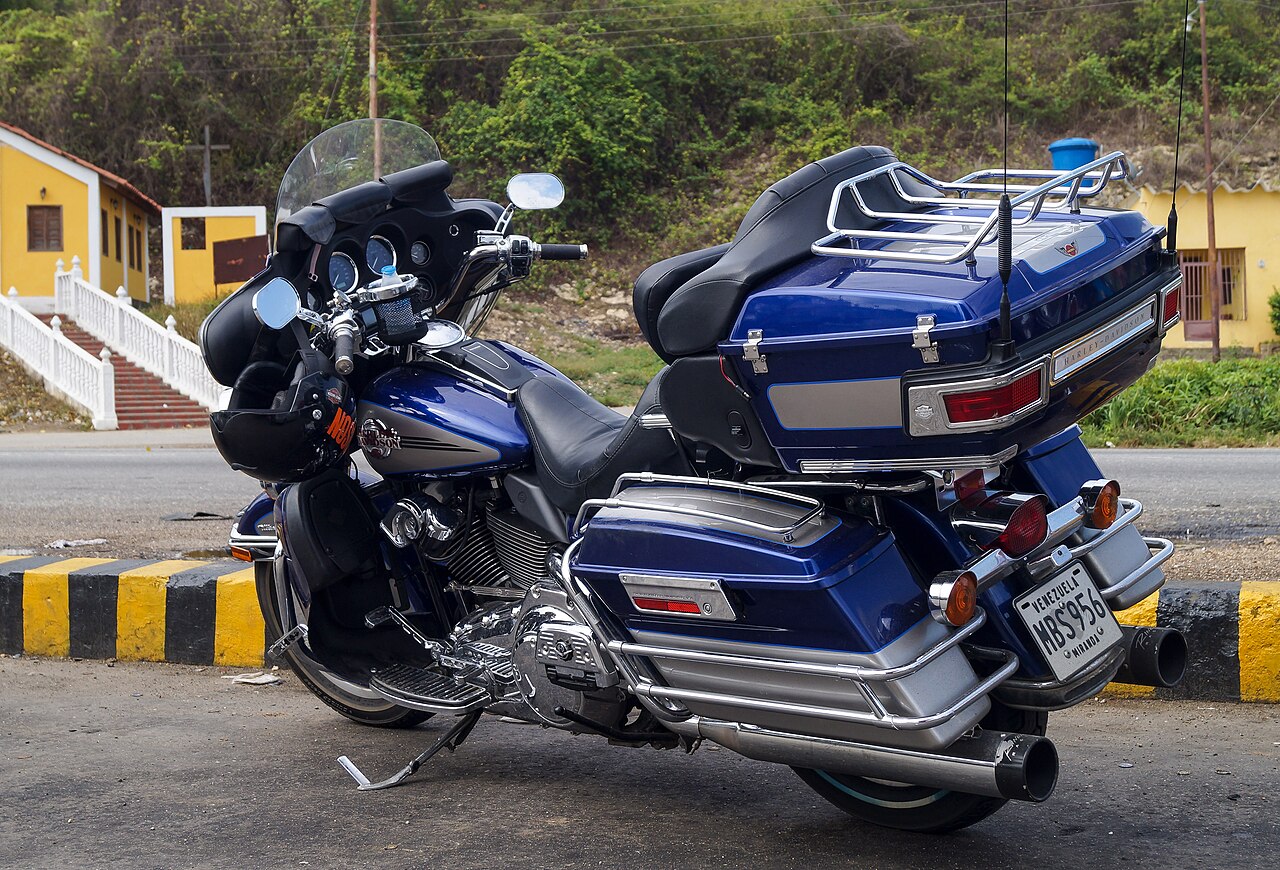
WATERPROOF LUGGAGE
Kriega US-20 Drypack
20-litre roll-top storage, strap mounting, real-world packing and security considerations.
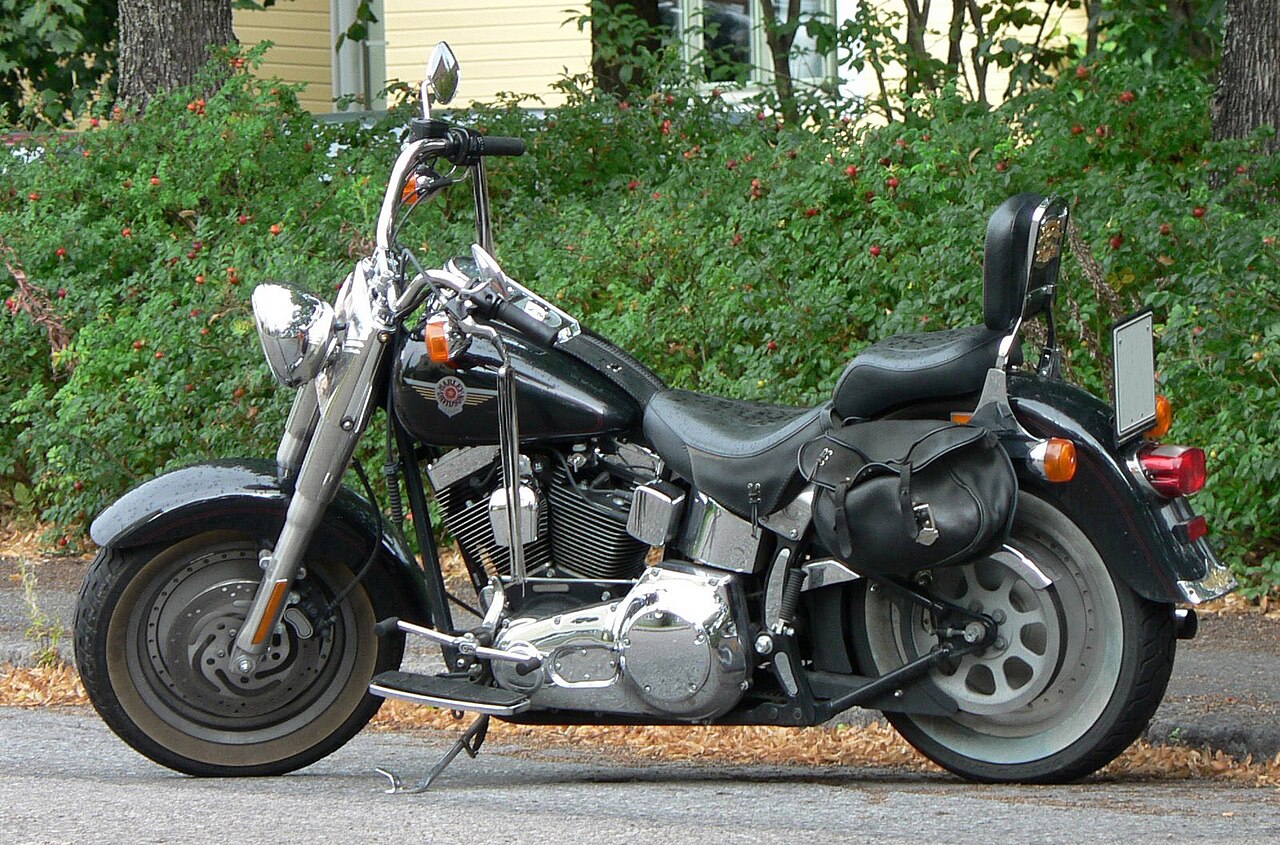
AUXILIARY LIGHTING
DENALI D4 LED
TriOptic lenses, raw output vs road light, 6.6A pair draw and installation legality.
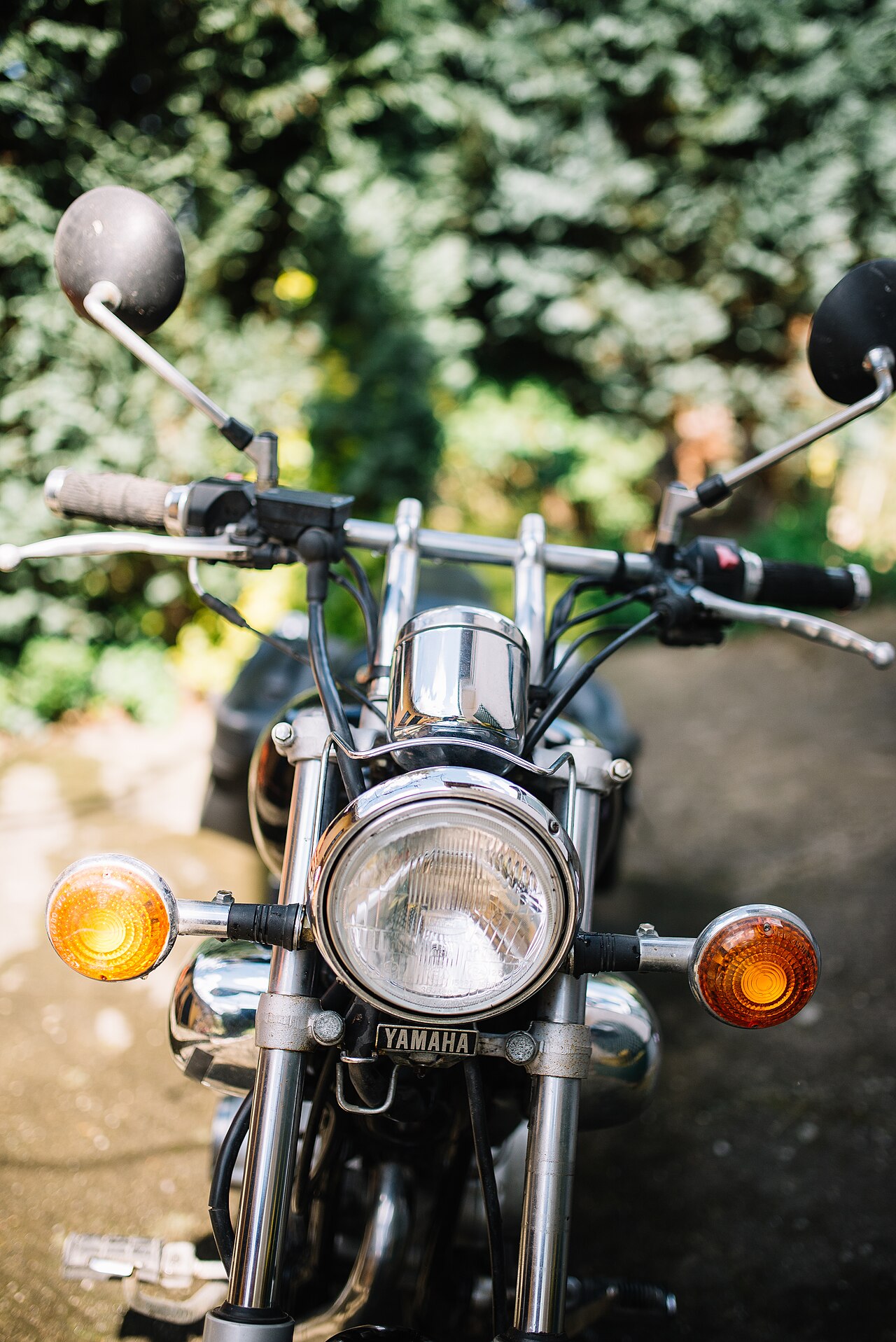
PHONE MOUNTING
Quad Lock Vibration Dampener
Motorcycle vibration, camera-module risk, compatibility and manufacturer test limitations.
COLD-WEATHER GEAR
Gerbing G4 Heated Gloves
12V glove heating, harness requirements, power budget, wet-weather use and dexterity.
Photo disclosure: These cards use licensed, representative motorcycle photography, not product photographs of the named models. Exact product pictures and current variants can be viewed through each article’s official manufacturer source links. No article has a paid review score or claims first-hand testing that has not occurred. Photography credits.
TEN COMPLETE RESEARCH DESKS / THE RIDER’S KIT
Explore the Gear Library
A research library built to answer questions before riders spend money. Each topic explains the safety standard or construction involved, what real-world fit should look like, which claims need verification and how equipment should work with a motorcycle in use. We separate laboratory certifications, manufacturer-supplied specifications and independent testing. Select a subject to read the complete guide rather than trusting an unsupported top-ten list.
HELMET STANDARD
DOT / ECE / SHARP
Learn why a U.S. DOT marking, ECE approval and a UK SHARP star rating answer different questions. The guide explains manufacturer self-certification, independent comparative testing, helmet fit and what to check before relying on any single safety label.
JACKETS & PANTS
A / AA / AAA
Find out what A, AA and AAA garment classifications measure under EN 17092, why they are not simply price tiers, and how closures, fit, abrasion construction and included impact protectors all influence a useful riding jacket or trousers.
ARMOUR
Level 1 vs Level 2
Compare Level 1 and Level 2 impact-protector results, the difference between limb and back standards, coverage areas and whether armour actually stays over the joint in a riding position. A high laboratory classification cannot compensate for poor placement or fit.
HAND PROTECTION
Riding Gloves
Examine the details that make a protective glove usable: palm material, stitching, wrist retention, gauntlet length, waterproof seams and lever control. This guide puts real hand movement and riding conditions ahead of decorative knuckle shells or marketing terms.
RIDING BOOTS
Touring Footwear
Understand why proper motorcycle boots need secure ankle coverage, usable soles, dependable closures and comfortable control of the shifter and rear brake. The guide also considers rain protection, long walking days at rallies and how to evaluate fit without a test ride.
ALL-WEATHER
Rain Systems
A waterproof label alone cannot keep a rider dry. This guide explains rain-shell versus membrane choices, how water enters through cuffs and collars, what happens to loose clothing at speed, and how to test the entire layering system before a long trip.
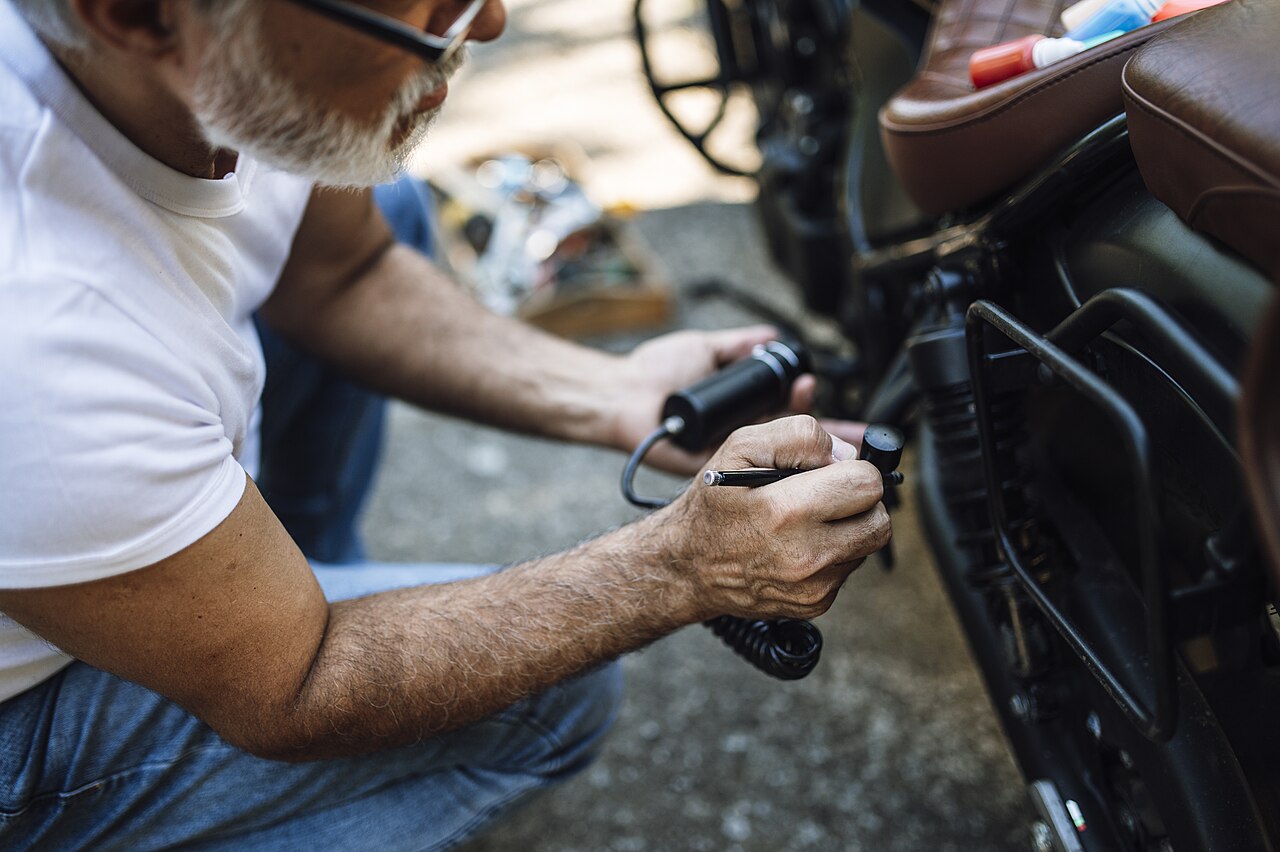
COLD WEATHER
Heated Gear
Before attaching a heated jacket or gloves to a motorcycle, calculate the charging-system headroom, inspect controller compatibility and understand battery-powered alternatives. We explain wiring, fuse protection and the limitations of advertised run times in cold conditions.
RIDING TECH
Bluetooth vs Mesh
Bluetooth and mesh intercom systems behave differently when riders separate, reconnect or move through complicated terrain. The guide covers pairing with your regular group, realistic communication range, speaker placement and why no electronic system replaces a proper regrouping plan.
TOURING
Bags & Luggage
Compare hard cases and soft luggage with more than just appearance in mind. Learn about bike and rack load ratings, keeping weight secure and balanced, avoiding exhaust and wheel clearance problems and protecting important belongings during a long rally journey.
RIDER COMFORT
Hearing Protection
Sustained wind noise can make highway riding tiring. This guide discusses earplug fit, helmet seals, speaker levels and the role of windshield turbulence. It also explains why an unsupported claim that one helmet is the world’s quietest needs a proper test method.
Photographs illustrate subject areas and are not evidence of a Biker Free Press test. Photo credits.
UNDERSTAND THE CERTIFICATION
Quick Reference: What Each Mark Tells You
| Mark / Standard | What it covers | What it does not establish |
|---|---|---|
| DOT / FMVSS 218 | U.S. motorcycle helmet minimum performance standard; manufacturer self-certifies | Not individual advance approval from NHTSA |
| ECE 22.06 | Helmet approval regime with its own tests and marking requirements | Not universal proof of legal use in every jurisdiction |
| SHARP Stars | Independent UK comparative assessment of selected helmets | Unrated helmets are not automatically noncompliant |
| EN 17092 A / AA / AAA | Motorcycle protective garment classification and construction testing | Not a guarantee of safety at any particular road speed |
| EN 1621 Level 1 / 2 | Impact-protector performance under specified test conditions | Not a classification of an entire jacket’s abrasion resistance |
Official and technical resources: NHTSA, SHARP, and CE garment testing explainer.
Review policy: We distinguish manufacturer claims, research-based guides and genuinely hands-on tests. No products receive invented scores, experiences or endorsements.
HOW THE GEAR DESK JUDGES INFORMATION
Useful Reviews Need a Method.
01 / Verified Specifications
We start with standards bodies, manufacturer manuals, exact model identifiers and relevant regulatory documentation. A certification applies to the product and test conditions it covers; it does not automatically establish comfort, durability or injury prevention under every circumstance.
02 / Actual Ride Conditions
For protective clothing, we consider fit in the riding position, protection placement, fastening and ventilation. For accessories, the bike’s charging capacity, load rating and installation requirements matter. A product that fits poorly or interferes with controls can be a bad choice even if its specifications are impressive.
03 / Honest Test Labels
Source-based buying guides are marked as research, not hands-on testing. A future road test will name the actual model tested, duration, riding conditions and any relevant measurements or limitations. Paid product access or sponsorship will be disclosed separately from editorial findings.
We will not invent ratings, firsthand experiences, prices, retailer availability or results we have not measured. Readers can suggest equipment for future investigation.
Buy for the ride, not just the label
Motorcycle equipment is a personal choice. A good guide starts with how and where you ride: hot-weather commuting, extended highway touring, backroads, passenger riding, or seasonal storage. We evaluate the relevant tradeoffs before recommending specific features.
Our review desks
- Helmets: fit, head shape, retention, applicable certifications, ventilation, visibility and replacement decisions.
- Protective clothing: abrasion and impact protection, layering, weather resistance and ease of movement.
- Communications: controls with gloves, speaker placement, mounting, battery considerations and group compatibility.
- Touring essentials: luggage, navigation, tire repair equipment, storage and charging.
- Security: locks, trackers, parking habits and realistic limitations of anti-theft tools.
Our testing promise
A research-based guide is not a hands-on test. If we actually road-test equipment, we will disclose the product version, riding conditions, duration, relevant bike, and whether it was loaned or provided. We will not manufacture test results, ratings or owner experiences.
Make fit your first filter
For helmets in the United States, the National Highway Traffic Safety Administration explains that a DOT label indicates manufacturer self-certification to FMVSS No. 218, not government pre-approval. Fit and construction still matter. Standards vary by country, so always consult local requirements.
Primary reference: NHTSA helmet selection guide.
Gear and rider guides
-
Honda SENSING RIDE: New Radar-Based Motorcycle Assistance Debuts on 2027 Africa Twin
Honda’s 2027 Africa Twin Adventure Sports introduces radar-based adaptive cruise, group-ride assistance, blind-spot alerts and other functions. Here is what is confirmed.
-
Gerbing G4 12V Heated Motorcycle Gloves: Power Demand, Warmth and Fit
Gerbing G4 research review covering 12V heated fingers, power demand, controller and harness requirements, cowhide protection, water resistance and use on cold-weather cruises.
-
Quad Lock Motorcycle Vibration Dampener: Can It Protect a Smartphone Camera?
Manufacturer-led product review of Quad Lock’s motorcycle vibration dampener: camera stabilization risk, advertised vibration reduction, mount compatibility and limits.
-
DENALI D4 LED Driving Lights: Raw Lumens, Beam Patterns and Motorcycle Wiring
DENALI D4 researched product file: advertised raw lumens, TriOptic spot/flood lenses, pair current draw, compatible dimming, electrical installation and road legality.
-
Kriega US-20 Drypack: Twenty Litres of Waterproof Motorcycle Luggage Examined
Kriega US-20 product file covering 20-liter waterproof roll-top storage, mounting, modular expansion, dimensions, load security and touring use.
-
Garmin zūmo XT2: Motorcycle GPS With a 6-Inch Display — Still a Useful Choice?
Detailed research on Garmin’s zūmo XT2: 6-inch glove-friendly screen, IPX7, rider routing, group tracking conditions, Bluetooth, mounting compatibility and tradeoffs versus phone navigation.
-
Cardo Packtalk Edge: Mesh Communications for Motorcycle Clubs and Group Rides
Cardo Packtalk Edge product analysis: DMC mesh, Air Mount, claimed 1.6-km rider range, JBL audio, IP67 protection, group setup and compatibility questions.
-
Alpinestars Tech-Air 5 Plasma: Motorcycle Airbag Protection — What the Specs Show
Researching the Tech-Air 5 Plasma airbag: torso coverage, STREET/OFF-ROAD/RACE modes, EN 1621-4 certification, replacement inflator, garment fit and battery considerations.
-
TCX Hero 2 WP: A Cruiser-Friendly Waterproof Leather Boot? Product File
TCX Hero 2 WP research profile: full-grain leather, T-DRY membrane, EN 13634 certification, ankle/toe/heel reinforcement, side-zip closure and walkability questions.
-
KLIM Badlands Pro: GORE-TEX Touring Protection Under the Microscope
Document-based review of KLIM’s Badlands Pro jacket including its three-layer GORE-TEX shell, impact protection, garment certification, fit considerations and price-tier tradeoffs.
-
REV’IT! Sand 5 H2O: A Three-Layer Touring Jacket Worth Inspecting
A product-based evaluation of the REV’IT! Sand 5 H2O: EN 17092 AA classification, detachable waterproof and thermal layers, vents and separately offered back protection.
-
SCHUBERTH C5 Modular Helmet: P/J Approval, Communication Fit and Buyer Questions
Research file for SCHUBERTH’s C5 modular helmet: ECE 22.06 P/J homologation, flip-up design, prewired communication system, interior fit and regional approval cautions.
-
Arai Contour-X: Shell Shape, Ventilation and Touring Design — Product Research
An Arai Contour-X helmet product file covering intermediate-oval fit, VAS-V shield, forehead vent, spoiler, communication mounting and tradeoffs for long-distance riders.
-
SHOEI GT-Air 3: A Sport-Touring Helmet Worth Considering? Product Research File
Research-based product assessment of SHOEI’s GT-Air 3: AIM shell, internal sun visor, Comlink integration, ventilation, shell fit, accessories and reasons to compare alternatives.
-
Hearing Protection for Motorcycle Riders: Wind Noise, Earplugs and Helmet Comfort
Hearing comfort matters during long motorcycle journeys. Learn how earplugs, helmet fit, windscreen turbulence, seals and speaker volume affect exposure, and why ‘quietest helmet’ claims need defined independent testing.
-
Motorcycle Touring Luggage: Hard Cases, Soft Bags and Keeping the Load Under Control
Touring luggage changes a motorcycle’s load and handling. Compare hard cases with soft bags while checking rack limits, secure straps, exhaust and suspension clearance, weight distribution, weatherproofing and loaded test rides.
-
Motorcycle Helmet Intercoms: Bluetooth vs Mesh, Group Compatibility and Real Range
Bluetooth and mesh motorcycle intercoms differ in pairing, reconnection and group coverage. Compare cross-brand compatibility, helmet installation, practical range, battery limits, safe control use and backup regrouping arrangements.
-
Heated Motorcycle Gear: How to Check Your Bike’s Electrical Capacity Before Buying
Heated motorcycle jackets and gloves add comfort but also electrical demand. Learn to assess alternator headroom, accessory wattage, proper fusing, controller compatibility, battery-powered options and realistic use during cold highway travel.
-
Motorcycle Rain Gear: Waterproof Shells, Membranes and the Problem of the Leaking Cuff
A waterproof fabric label alone does not make an outfit stormproof. Compare rain shells and membranes, seam and collar construction, glove and boot overlaps, riding-position fit, wind flapping, care and multi-day drying plans.
-
Motorcycle Boots for Touring: Ankle Coverage, Soles, Shifting and Rain
Touring motorcycle boots must work with pegs, brakes and shifters while providing ankle coverage and dependable grip. Compare closures, weatherproofing, fit, walking comfort, sole construction and practical care for long rally weekends.
-
Motorcycle Gloves Buyer Guide: Protection, Cuff Fit and All-Weather Control
Protective motorcycle gloves should provide control feel as well as suitable palm, finger and wrist protection. This buying guide examines fit on the bars, wrist retention, seams, all-weather cuff overlaps, ventilation and usable certification information.
-
SHARP vs DOT vs ECE: Three Different Ways to Understand Motorcycle Helmet Protection
DOT, ECE and SHARP are different ways to assess motorcycle helmets. Understand U.S. self-certification, European approval, comparative UK star ratings, counterfeit labeling concerns and why correct helmet fit remains essential.
-
CE Level 1 vs Level 2 Motorcycle Armour: A Rider’s Guide to Impact Protection
CE Level 1 and Level 2 impact protectors have defined test requirements, while limb and back armour use different standards. Learn to inspect markings, coverage, pocket fit and real riding-position placement without confusing armour with garment certification.
-
CE Motorcycle Jackets Explained: What EN 17092 A, AA and AAA Really Tell You
EN 17092 garment classes A, AA and AAA cover different tested requirements, not guaranteed safe speeds. This research guide explains abrasion, construction, impact-protector fit, layering, ventilation and the certification labels riders should inspect.
-
Cold-Weather Motorcycle Storage: A Workshop Checklist Without the Guesswork
Prepare tires, battery, fuel, fluids and protection for months off the road, then bring the bike back carefully.
-
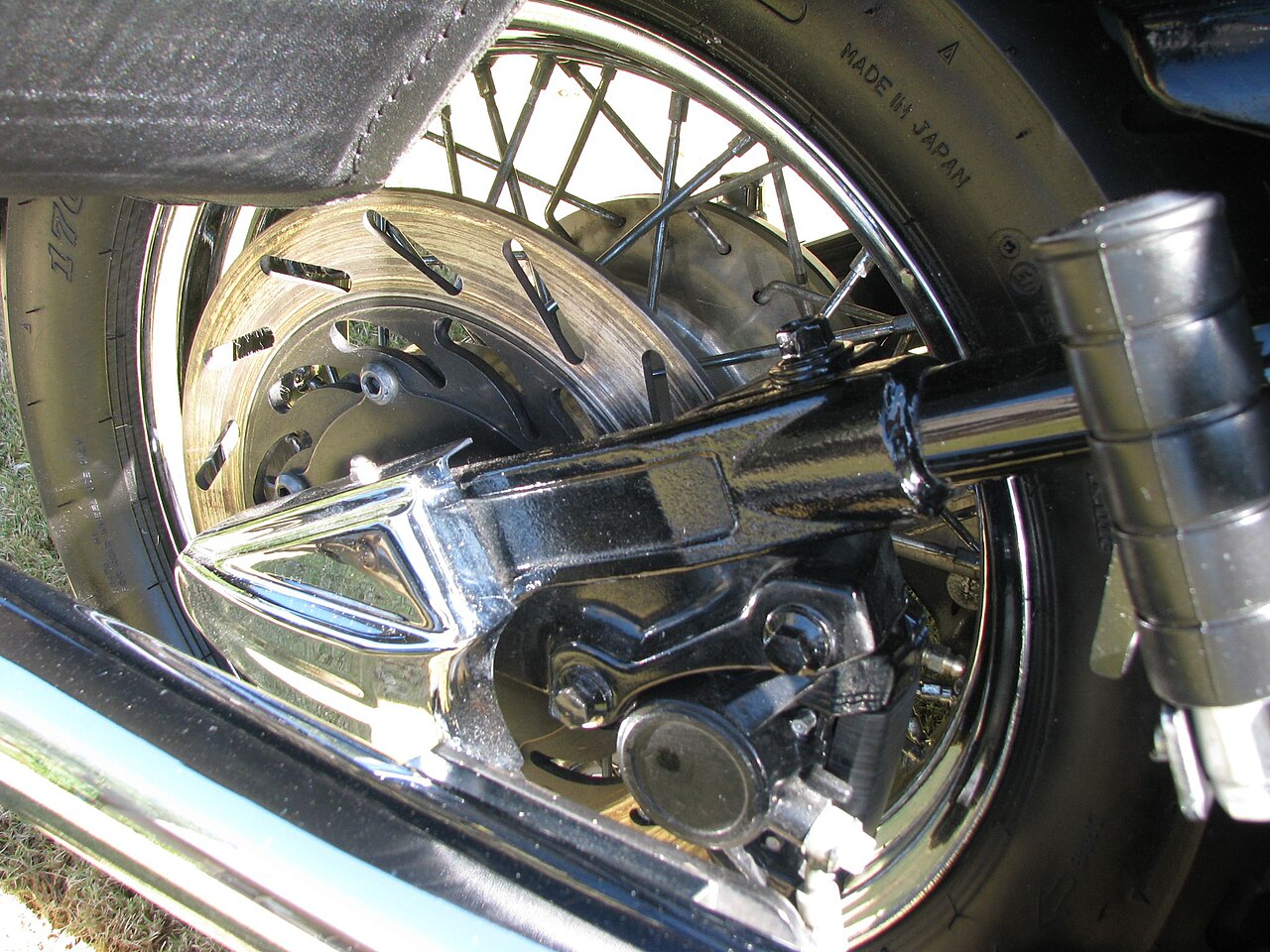
Motorcycle Tire Pressure: Why You Should Check It Cold Before the Long Ride
Michelin’s motorcycle tire guidance explains why hot-pressure readings cannot be treated like cold settings.
-
Two-Up Motorcycle Riding: Passenger Briefing, Load, Tires and the First Ten Miles
A passenger changes motorcycle handling. Ontario’s official handbook outlines footrests, instruction, weight and braking considerations.
-
DOT Helmet Labels: What the Certification Actually Means and How to Spot Unsafe Imitations
A DOT sticker is a manufacturer’s certification under FMVSS 218, not preapproval by the U.S. government. Here’s how to check the labeling and helmet construction.
-
The Four Numbers on Your Motorcycle Tire That Can Matter More Than Tread Depth
Learn how to read the date code, distinguish sidewall limits from riding pressure, and understand age-related inspections.
-
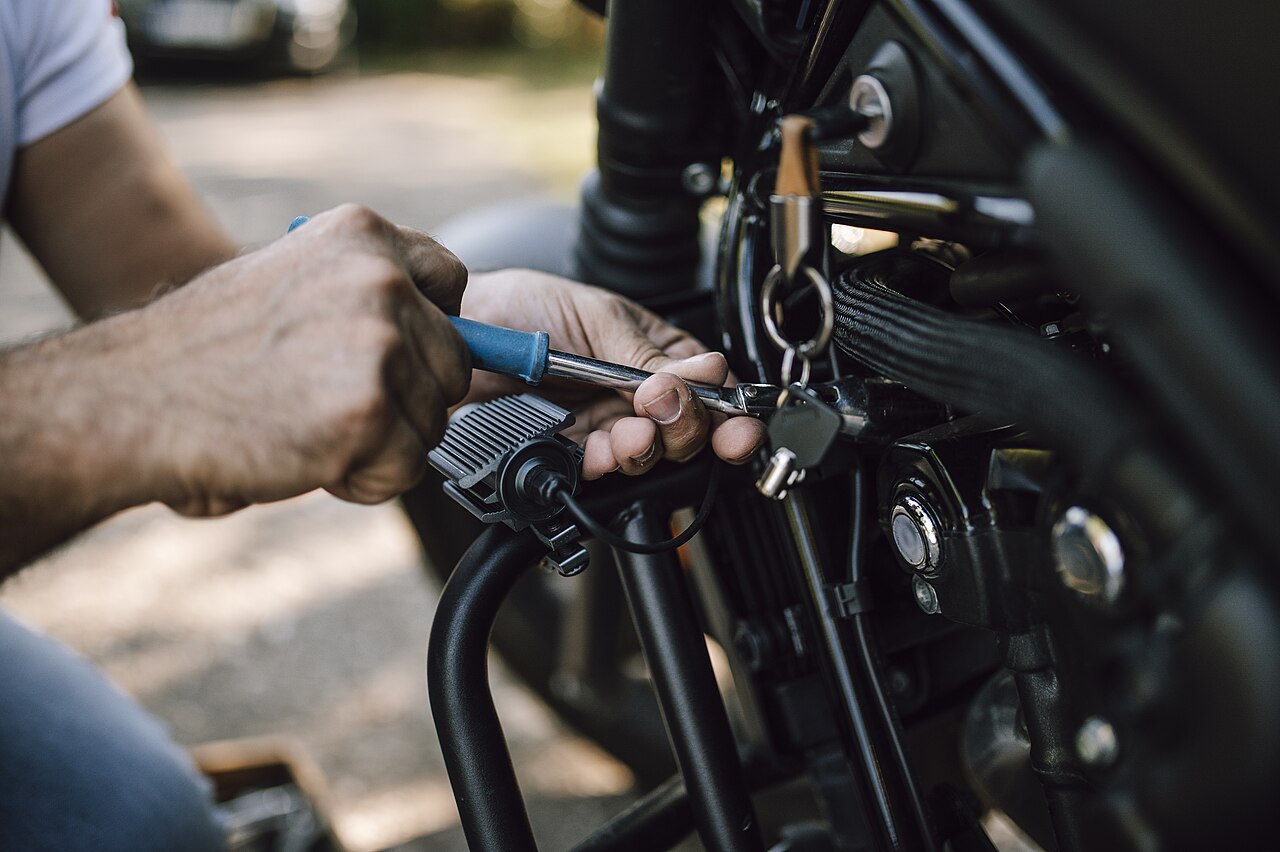
A Better Pre-Ride Motorcycle Inspection: The T-CLOCS Method
A practical walkaround built on the Motorcycle Safety Foundation’s tires, controls, lights, fluids, chassis and stands checklist.
-
Motorcycle Helmet Buying Guide: Fit Before Flash
Head shape, fit, retention, certifications and the tradeoffs riders should understand before buying a helmet.
Browse the complete department archive →
MOTORCYCLE GEAR BRANDS & RETAILERS
Reach Riders Researching Gear
Our equipment guides are source-based and independent. Clearly labeled display sponsorships and advertising opportunities can be discussed separately; positive reviews are not for sale.