A helmet should be judged by its protective construction, fit and applicable standards — not by the most aggressive graphic or the smallest shell offered in a catalog.
DOT means manufacturer self-certification, not NHTSA preapproval
In the United States, on-road motorcycle helmets must meet Federal Motor Vehicle Safety Standard No. 218. NHTSA explains that the DOT symbol indicates a manufacturer’s own certification of conformity. The agency does not individually approve helmets before they go on sale; it purchases and tests selected products as part of enforcement.
A real certification label includes the manufacturer or brand, model, DOT mark, standard reference and ‘Certified’ wording for helmets manufactured since May 2013. Buyers should also look for proper manufacturer identification inside the helmet.
A fake sticker does not make unsafe equipment safe
NHTSA warns that novelty helmets and counterfeit DOT labels exist. A shell that feels unusually thin, lacks a substantial energy-absorbing liner or has weak retention hardware deserves scrutiny. Some extreme thin-shell or novelty designs can look similar to authentic helmets in a photo.
A label should be one piece of evidence, not the entire investigation. Purchase through credible outlets and confirm the helmet model with the manufacturer’s official records. Avoid assuming that a decorative sticker on an unknown shell confers protection.
Fit still determines whether a helmet is right for you
NHTSA identifies round, intermediate and long oval head-shape categories. The right size should feel evenly snug and remain stable when the rider turns or moves the head. Pressure points after wearing the helmet for 30–45 minutes can indicate a shape mismatch that cannot be fixed by simply sizing up.
Don’t cut away protective foam or drill the shell to make it more comfortable. Follow the manufacturer’s approved interior adjustments or choose a different model.
Know where the bike will be ridden
Standards and legal requirements can differ across countries. A helmet legally sold for one market is not automatically approved for every jurisdiction. In Ontario, provincial regulation specifies acceptable standards and includes a defined religious exemption. Check the current law before relying on a seller’s general statement.
Editorial disclosure
This is a research guide that explains official NHTSA positions. Biker Free Press has not carried out laboratory impact tests or personally tested any specific helmet model as part of this article.
Primary references
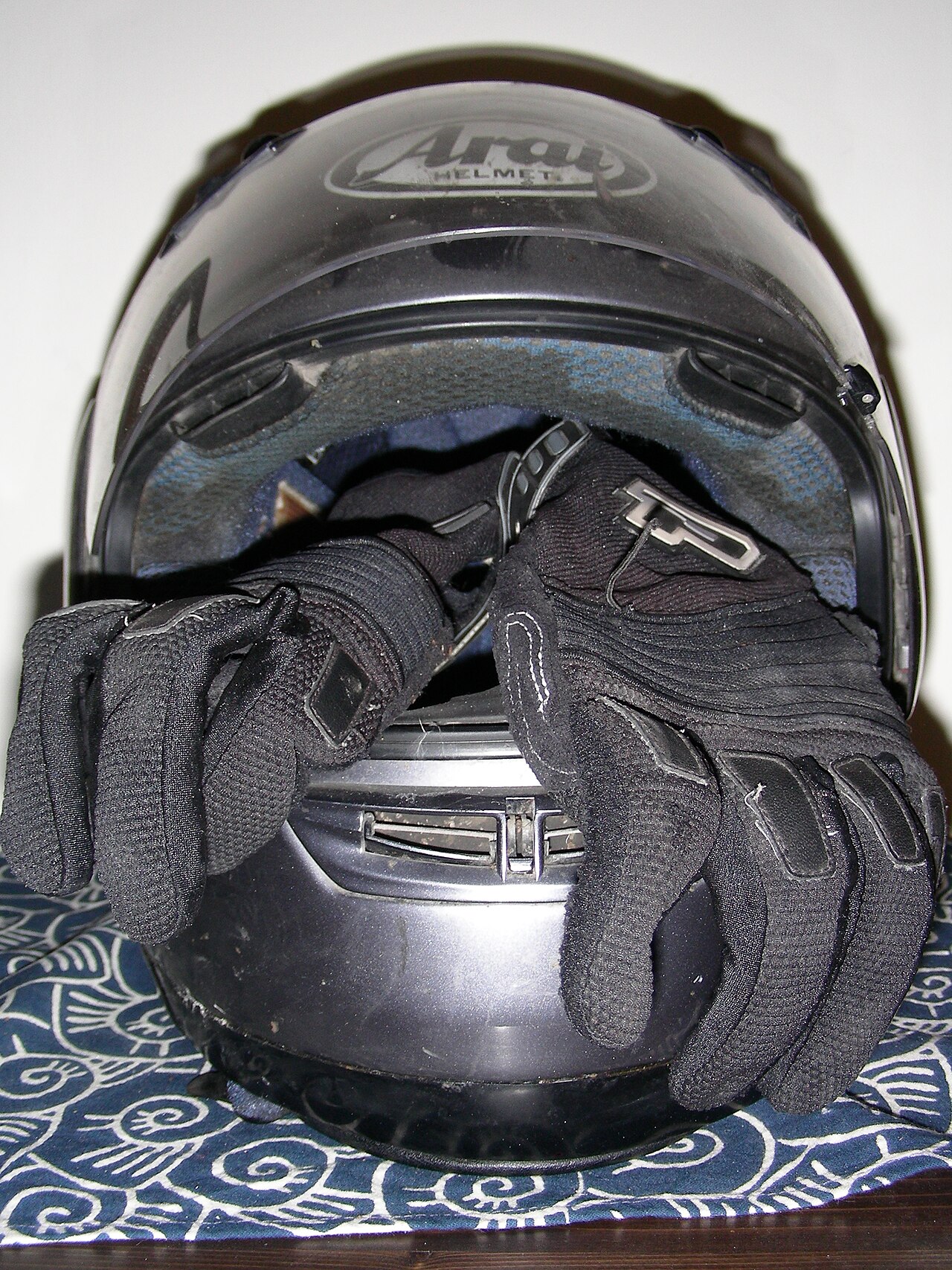
Biker Free Press guide, November 2026. This is source-based guidance, not a product road test. Featured image: AgadaUrbanit, Wikimedia Commons, CC BY-SA 3.0, real helmet and gloves; representative/archival, not testing performed by our editors.