
A motorcycle with a passenger is not merely the same machine with one more person aboard. Its balance, braking distance, suspension and communication needs all change. The first ten miles should feel deliberate, not rushed.
Confirm the machine is designed for two
The Ontario motorcycle handbook says a passenger needs a suitable seat and footrests, and that the passenger must wear an approved helmet and protective clothing. Verify the motorcycle’s load limit, luggage arrangement and passenger equipment with the manufacturer’s instructions.
Don’t add a seat pad to a one-rider bike and assume that makes it legally or mechanically suitable. The passenger needs secure footing at every stop and in every corner.
Adjust for the weight
Extra weight may require adjusted tire pressure, rear suspension preload, mirrors and headlight aim, following the bike manufacturer’s guidance. It can also change steering feel and reduce available ground clearance over bumps and in corners. Begin with a smooth, moderate pace until both people understand how the bike responds.
The handbook notes that acceleration, stopping and turning response become slower under passenger load. Allow additional room and begin braking sooner rather than attempting to compensate late.
Brief your passenger before starting
Explain when to mount, where to hold, how to use footrests and why sudden movements can destabilize the bike. Agree on a simple tap or signal for discomfort or an urgent need to stop. A first-time passenger should be able to ask for a break without embarrassment.
Ontario’s handbook instructs passengers to mount after the engine starts, sit forward without crowding the rider, hold securely, keep both feet on the footrests even when stopped, and lean with the motorcycle.
Ride as if you are still learning the new setup
Start with calm streets and a short, predictable route instead of beginning with congested highways or a high-pressure group ride. Stop early to check comfort, luggage security, helmet fit and how the passenger feels.
An M1 licence holder in Ontario may not carry passengers. That is a legal restriction, not a suggestion about individual confidence.
Treat passenger comfort as part of safety
Cold, vibration, wind pressure and fatigue may affect a passenger differently from the rider. Warm gear, reasonable breaks and a passenger who knows what to expect are as important as a powerful engine or comfortable seat.
Primary references
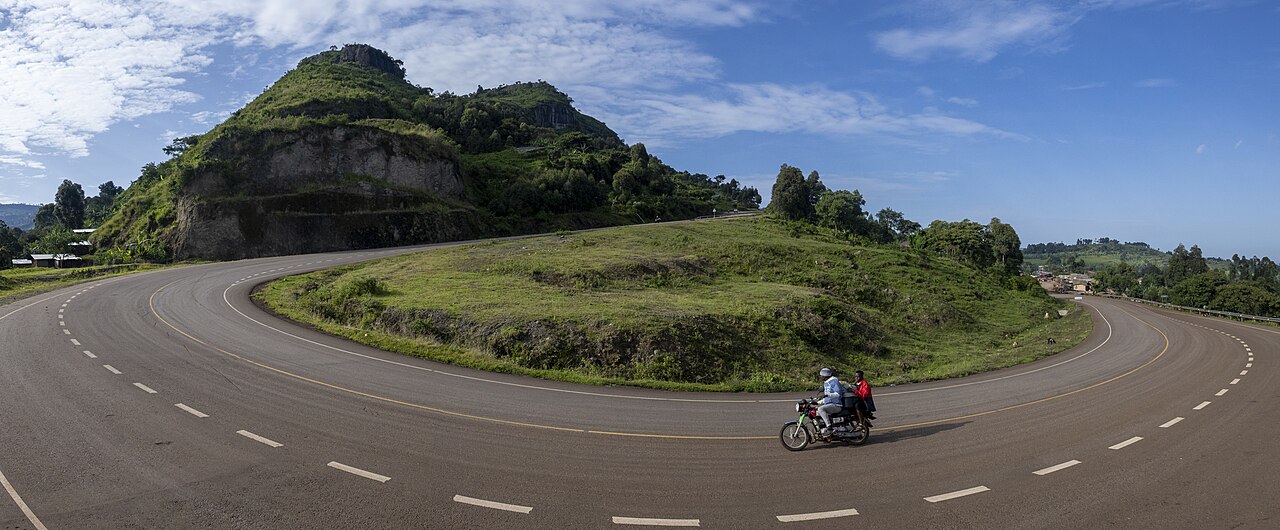
Biker Free Press guide, November 2026. This is source-based guidance, not a product road test. Featured image: Jameswasswa, Wikimedia Commons, CC BY-SA 4.0, rider and passenger on a mountain road; representative/archival, not testing performed by our editors.