BFP RIDERS’ RIGHTS RESEARCH / NOVEMBER 2026
European debates about motorcycle-club bans often treat the European Convention on Human Rights as a simple on/off switch. Article 11 provides an important guarantee of peaceful assembly and association, but the text and national case context determine how it applies.
What the Council of Europe says
The Council of Europe’s official explanation of Article 11 describes freedom of peaceful assembly and association, including the ability to organize meetings and associate with others. It also identifies the public-authority obligation not to dissuade people from exercising protected peaceful assembly.
European human rights analysis is not identical to Canada’s Charter or the U.S. First Amendment. Countries operate under different national statutes and court systems, with European convention principles potentially relevant through domestic processes and Strasbourg jurisprudence.
Not every association restriction is identical
An administrative order dissolving an association is different from a law restricting insignia of an organization already subject to an enforceable ban. A local dress rule, criminal organization investigation, demonstration restriction and criminal conviction also raise different legal facts.
This matters for motorcycle clubs with chapter structures, international names and shared symbols. The governing law must be checked at the correct level.
Public order concerns need evidence and legal testing
States may argue that certain restrictions protect public safety or rights of others. Those arguments must be evaluated against the legal criteria actually governing the measure. It is not enough for reporting to repeat either ‘the government can ban anything’ or ‘the Convention automatically defeats all bans.’
An important journalistic question is whether allegations against individuals have been generalized to clubs or chapters without sufficient differentiation.
Read judgments, not just announcement headlines
To cover a challenge accurately, record the date of the order, the domestic court and appeals, the outcome of any request for interim relief, the operative status of the measure, and what arguments were raised by the affected association.
If a later European ruling alters a national restriction, identify the scope of that ruling instead of suggesting every similar measure across Europe has disappeared.
Germany is a useful statutory example
Germany’s Vereinsgesetz section 9 separately addresses signs and symbols of banned associations, including some similar signs used by other groups. Section 20 deals with offences against enforceable bans. That law should not be described as a single uniform European insignia law.
Editorial and legal limitations
Article 11 is a real convention protection; this article does not claim that a particular Hells Angels, Bandidos or other club ban has been struck down by the European Court of Human Rights. That requires the actual case record and decision.
Read the original sources
Council of Europe — Article 11, association
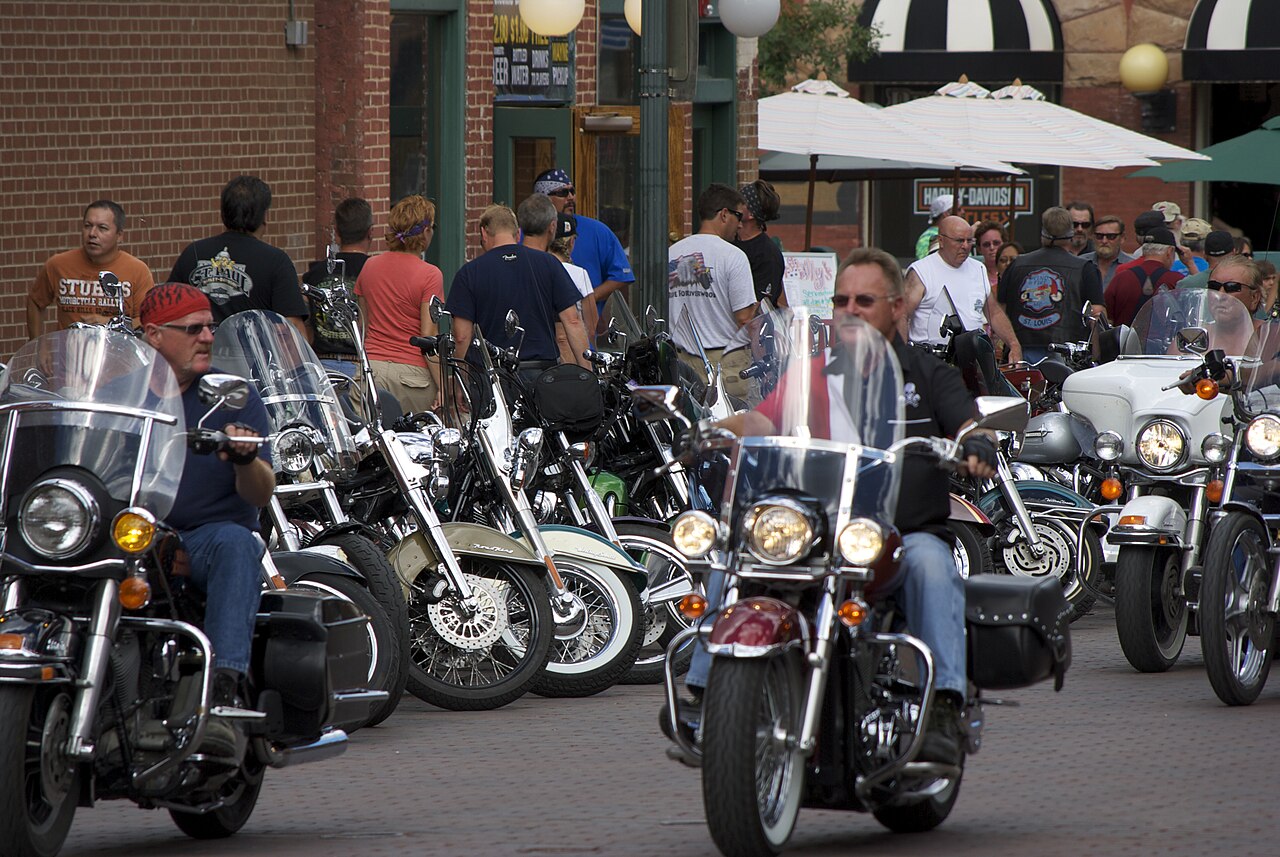
General legal information, not legal advice. Official statutory language and case circumstances control. Photographs are illustrative or historical, not evidence about an individual or legal proceeding.