HARLEY PERFORMANCE GARAGE / TECHNICAL FILE / NOVEMBER 17, 2026
‘Fits Milwaukee-Eight’ is not a complete parts specification. Harley-Davidson’s 2017-on Touring and 2018-on Softail engines share a family name, but chassis mountings, cooling design, valve timing and electronic control systems have evolved. Special CVO engines and later Touring generations make blanket fitment descriptions especially unreliable.
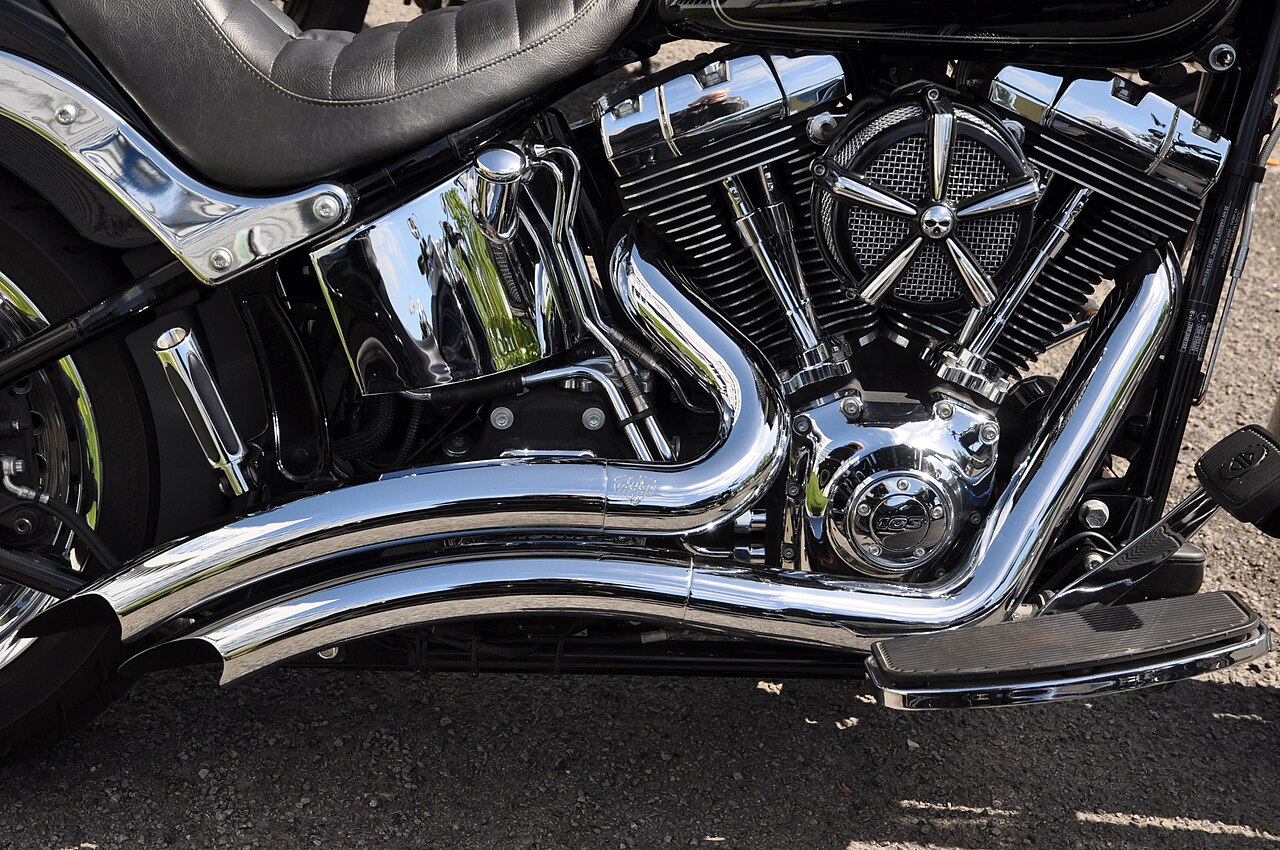
Research and engineering explainer, not a claimed physical installation, road or laboratory test by BfP. Featured motorcycle photography is illustrative.
2017 Touring and 2018 Softail weren’t the same launch
The Milwaukee-Eight debuted in Touring motorcycles before the Softail line adopted its own chassis arrangement. The engine family name describes broad design ancestry, not identical mounting, intake, header, ECU, suspension, brake or chassis hardware. A Touring-specific exhaust or rear shock should never be assumed to fit a Softail.
2019–2023 variations and performance packages
As the M8 line expanded through multiple displacements, CVO specifications and other special editions, parts catalogs developed exclusions by model code, engine cooling type, throttle body and year. Exact displacement alone is not enough to select a cam, calibration, oil system or intake. A bike’s factory specifications and any previous modifications must be identified.
2023.5/2024 updated electronics
Dynojet documents a Gen 2 G26 ECU arrangement appearing with newer Harley models. Tool compatibility is tied to this architecture, with specific versions and software processes. An FP4 marketed for 2007–2023 motorcycles is not automatic support for a redesigned 2024 model. Identify the actual electronic architecture before buying a tuner.
VVT and High Output aren’t interchangeable
Harley markets a VVT 121 engine in certain CVO machines, while other CVO Road Glide ST variants use the High Output 121 without the same valvetrain arrangement. A conventional camshaft profile that fits a non-VVT Milwaukee-Eight must not be assumed to function with the variable-valve-timing mechanism.
2025 Softail changes
Factory documents describe 2025 Softail 117 variants and model-specific engine characteristics, while separate Screamin’ Eagle parts listings carry their own year and model compatibility. Aftermarket manufacturers may need to release new revisions to cover a changed engine or control module.
A fitment checklist that works
Record the model code, VIN-decoded year, chassis, engine displacement and variant, ECU architecture, cooling, VVT, factory emissions configuration, suspension type and previous installed hardware. For an upgrade package, validate how every item interacts. A legal approved cam package for one application cannot be transplanted by assumption to another.
When to trust a claim
Prioritize current manufacturer installation instructions, model-specific parts catalogs and regulatory approvals. Community experience can identify questions to ask, but a forum assertion or a video of a similar bike isn’t the authoritative fitment document. BfP’s guides are research; we haven’t performed fitment measurements on these examples.
Builder’s review checklist
- Write the exact FL/FX model code and manufacture/model year.
- Identify Touring, Softail, CVO and electronic generation.
- Note VVT, High Output and cooling distinctions.
- Verify manufacturer SKU and application exclusions.
- Confirm road-use approval and installation dependencies.
Original sources
- Dynojet Gen 2 Milwaukee-Eight ECU details
- Harley 2025 CVO Street Glide VVT 121
- Harley 2025 CVO Road Glide ST 121 High Output
- Harley official 2025 Softail parts/service reference
Safety-critical changes must be performed and checked with official service procedures. Road compliance depends on the actual product and location. Photo credits: Biker Free Press.