HARLEY PERFORMANCE GARAGE / ENGINE & POWER TECHNICAL FILE / NOVEMBER 2026
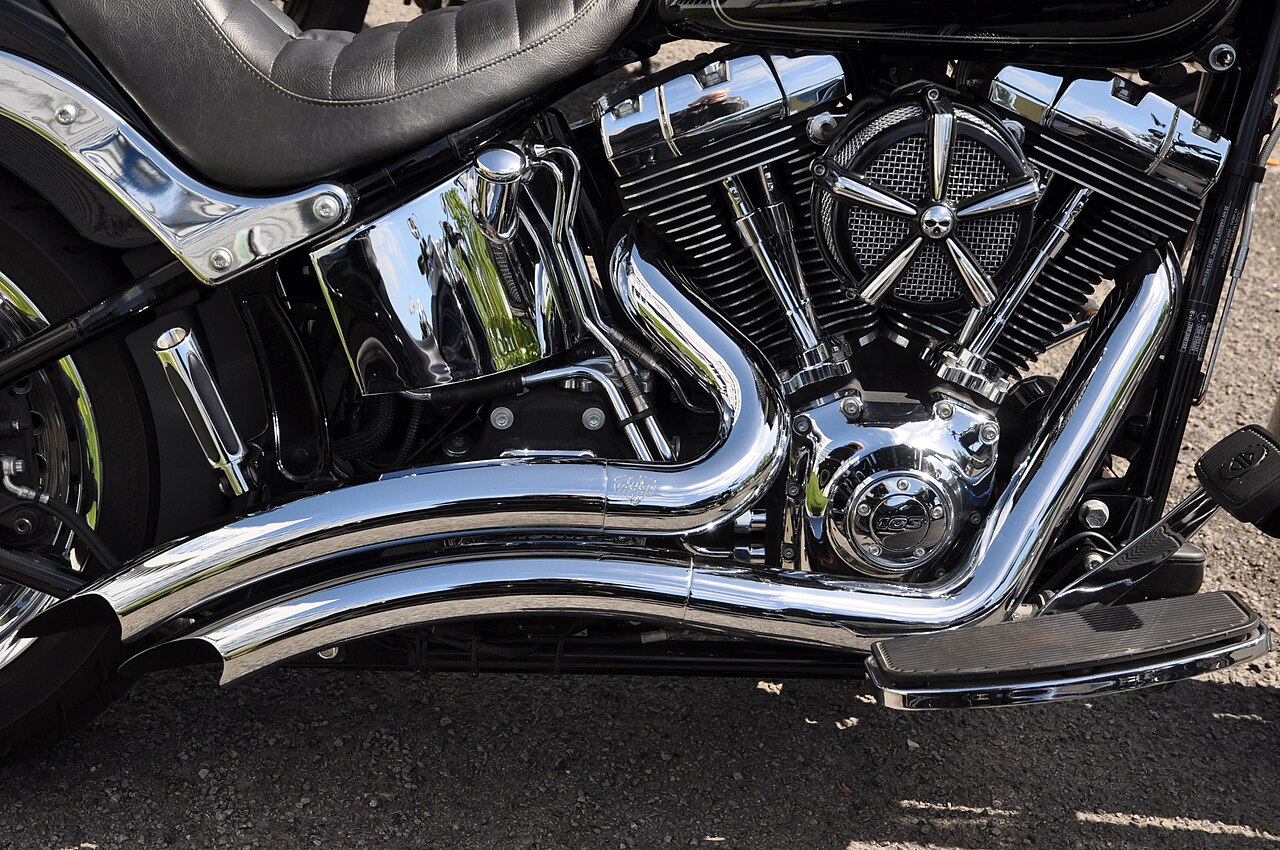
The 135-cubic-inch Screamin’ Eagle Stage IV crate engine represents a different approach from collecting a camshaft, cylinders, heads and intake individually. Harley-Davidson sells a defined integrated performance assembly with matched components for specified Touring engine/cooling configurations. It may simplify project planning, but fitment, installation, warranty and street approval still require careful verification.
What Harley lists inside the package
The manufacturer’s Canadian catalog describes a 135ci Stage IV air/oil-cooled crate engine featuring CNC-ported cylinder heads, SE8-517 high-lift camshaft, high-compression forged pistons, steel-sleeved cylinders, a 4⅝-inch flywheel, large 68mm throttle body and intake, high-output injectors, and a Pro Billet camplate and oil pump. This is a package description, not a promise that every variant uses identical components.
For twin-cooled applications Harley advertises a different crate-engine SKU and publishes a separate fitment range. The cooling system is therefore fundamental to the choice rather than a detail that can be corrected with a bracket.
Air/oil cooled and Twin-Cooled versions need separate checks
The official Canadian air/oil product description identifies a later-generation Touring application but models and allowed years can change. A Twin-Cooled part may be intended for a different range. Beyond the cooling architecture, fitment questions include exhaust, air box, electronics, clutch load, model type and dealer programming.
Check official model-year installation instructions and a current VIN-confirmed fitment result with the dealer rather than relying on old catalog snapshots.
Crate versus building from separate parts
A crate assembly can give the owner a clearly defined bill of materials and potentially simpler logistics. Piecemeal upgrading may let a builder optimize a specific goal or budget and reuse suitable existing parts, but adds the risk of mismatched heads, pistons, cam, injectors and electronics if engineering is not thorough.
A smart comparison includes the installed engine’s final configuration, labor, dyno validation, any clutch upgrades, cooling and oiling needs, taxes, freight, downtime and the buyer’s warranty obligations.
How horsepower and reliability should be described
Harley markets the package as street-ready performance for its listed applications. That claim should be linked to any current approval and a validated ECU configuration for the actual motorcycle. The published engine architecture does not establish what rear-wheel output an owner’s machine will show after installation.
Ask whether quoted power is crank or wheel, which exhaust and tuning were used, and whether there are differences between dyno corrections and fuel. Reliability is a longitudinal result, not a single hot dyno pull.
When it may and may not make sense
A rider who wants a supported integrated upgrade and expects to keep a Touring bike may value the package structure. A budget-conscious owner wanting modest roll-on torque could find a smaller, properly calibrated upgrade more appropriate. The largest displacement is not automatically the highest-value improvement for every rider.
Owner’s research checklist
- Verify exact air/oil or Twin-Cooled engine SKU
- Request VIN-based factory fitment and dealer instructions
- Obtain full installed quote, including electronics and clutch
- Review warranty and street approval in writing
- Ask for baseline and post-installation wheel output
Official reference documents
Harley-Davidson Canada — 135ci air/oil Stage IV crate engine
Harley-Davidson — 135ci Twin-Cooled Stage IV product
Harley-Davidson official Stage IV installation documents
Biker Free Press technical research, November 17, 2026. This is a manufacturer-document evaluation, not a physical engine inspection, installation or dyno test. Illustrative motorcycle photographs are credited in our site photo credits. Follow exact year/model instructions and qualified technicians. U.S. federal emissions-control tampering and defeat devices are prohibited; road-use approval must be verified for the specific part and bike.