HARLEY PERFORMANCE GARAGE / ENGINE & POWER TECHNICAL FILE / NOVEMBER 2026
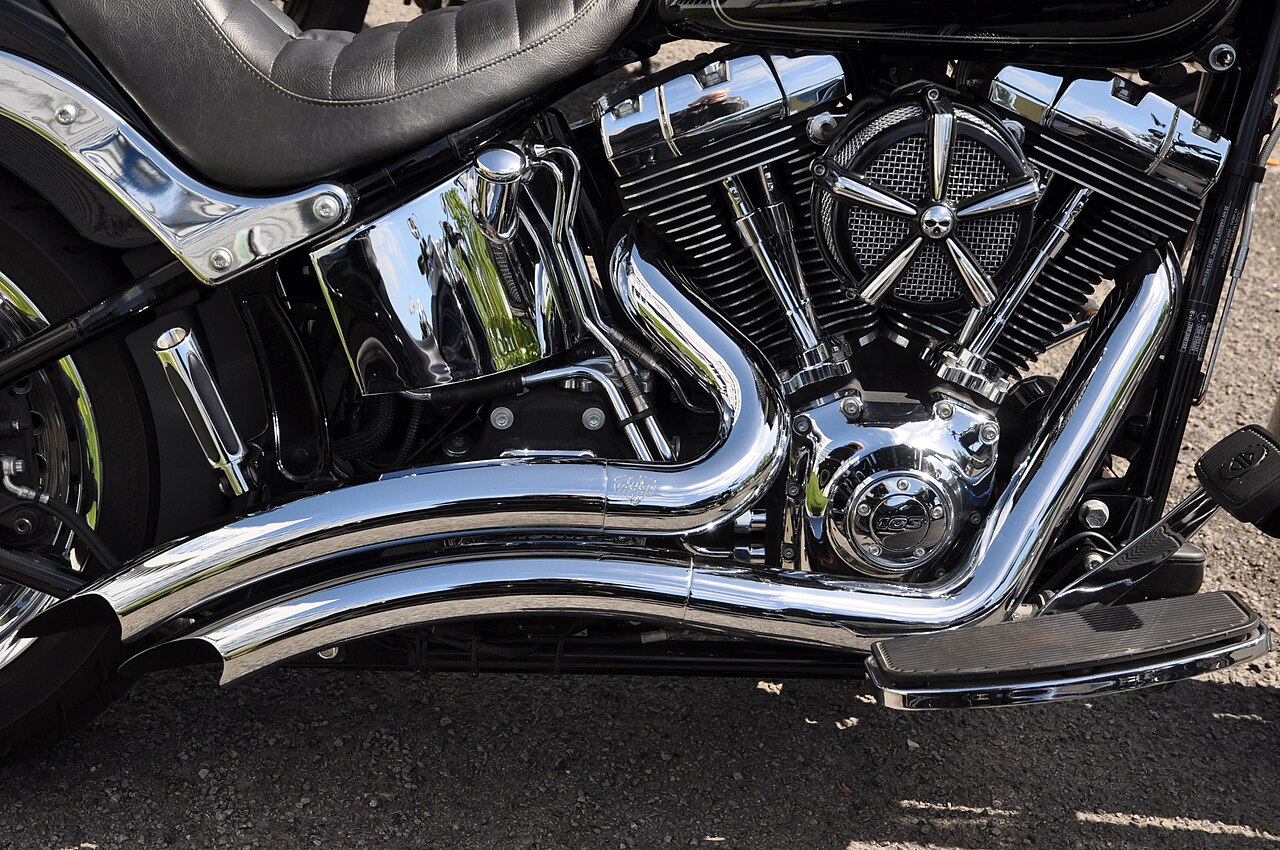
A parts store may describe a component as fitting a ‘Harley V-twin,’ but that phrase is too broad to protect a rider from a costly ordering mistake. Twin Cam, Evolution Sportster, non-VVT Milwaukee-Eight and newer VVT/CVO engines differ in design, packaging and electronics. Even within one engine family, a different model year, oil-cooling arrangement or chassis can change the correct part number.
Begin with the engine family, not the paint or badge
The familiar air-cooled Evolution XL Sportster engine was offered in 883cc and 1202cc configurations, as Harley’s 2022 XL documentation confirms. Its cylinder and head architecture, crankcase and valve train are not interchangeable with a Twin Cam or Milwaukee-Eight simply because all share a classic V-twin appearance.
The Twin Cam generation introduced a different cam arrangement and evolved across model-year ranges. Parts vendors distinguish 1999–2006 Twin Cam parts from various 2006 Dyna and 2007–2017 applications. The exact model and engine combination, not the first year in a catalog heading, should govern a purchase.
Milwaukee-Eight is not one uniform specification
Standard air/oil-cooled Milwaukee-Eight, factory Twin-Cooled or center-cooled versions and newer VVT models can use different head, cooling, intake, electronics and camshaft arrangements. Harley’s current owner materials identify both VVT 121 and center-cooled VVT 117 configurations. Official 2025 CVO references show that VVT 121 engines appear in certain touring models, but the presence of a CVO badge alone doesn’t establish the same motor and tuning hardware on every CVO variant.
This is why a listing that says ‘2017 and up M8’ requires an exclusion check. A part may be appropriate for a 2019 Road King yet unsuitable for a 2025 Road Glide ST, or require different hardware and calibration.
The chassis can change exhaust, shocks and intake clearance
Two bikes with similar motors may have different exhaust routing, swingarm suspension, saddlebag mounts, front-wheel/fork dimensions and brake packages. A Street Glide Touring shock should not be ordered for a Softail solely because both use a Milwaukee-Eight engine. Trikes and specialty CVO trim may require separate parts altogether.
Before ordering a performance component, verify engine family, model code, VIN-confirmed year, cooling system, electronic throttle type, cam timing variant and any parts already modified by a previous owner.
What the fitment checklist should look like
Record the exact year, model designation, engine displacement, powertrain family, cooling arrangement, stock and installed exhaust/intake components, ECU/tuner generation, ABS or other relevant electronic systems and any aftermarket chassis alterations. Ask the seller to match that record to a current installation sheet and explain exclusions in writing.
For used bikes, do not assume they remain stock. Verify the installed cam, cylinders, ECU calibration and shock hardware, because a prior owner’s modifications can defeat the assumptions in a typical model-year selector.
A performance article needs a verifiable subject
At Biker Free Press we will name the actual part number and tested motorcycle combination when that information exists. A manufacturer dyno graph from a 124-cubic-inch Twin Cam will not be presented as evidence of what a stock 117 M8 will produce. Reviewers who fail to disclose engine family and cooling can make a useful graph misleading.
Owner’s research checklist
- VIN and model code confirmed
- Engine family and exact cooling/VVT variant identified
- Chassis application, saddlebag and clearance verified
- Existing engine and electronics modifications documented
- Original manufacturer’s current install sheet and legal status obtained
Official reference documents
Harley-Davidson — 2025 CVO engines and VVT overview
Harley-Davidson official 2026 engine specification record
Harley-Davidson 2022 Sportster owner documents
Feuling — Twin Cam 574 variants and fitment
Biker Free Press technical research, November 17, 2026. This is a manufacturer-document evaluation, not a physical engine inspection, installation or dyno test. Illustrative motorcycle photographs are credited in our site photo credits. Follow exact year/model instructions and qualified technicians. U.S. federal emissions-control tampering and defeat devices are prohibited; road-use approval must be verified for the specific part and bike.