
HARLEY PERFORMANCE GARAGE / RESEARCH FILE / NOVEMBER 17, 2026
A horsepower chart is only useful when readers can understand how the test was performed. Aftermarket Harley-Davidson parts are frequently marketed with dramatic peaks and impressive-looking curves, yet bike owners care about something more specific: a useful engine, reliable control, manageable heat and performance they can feel in everyday riding.
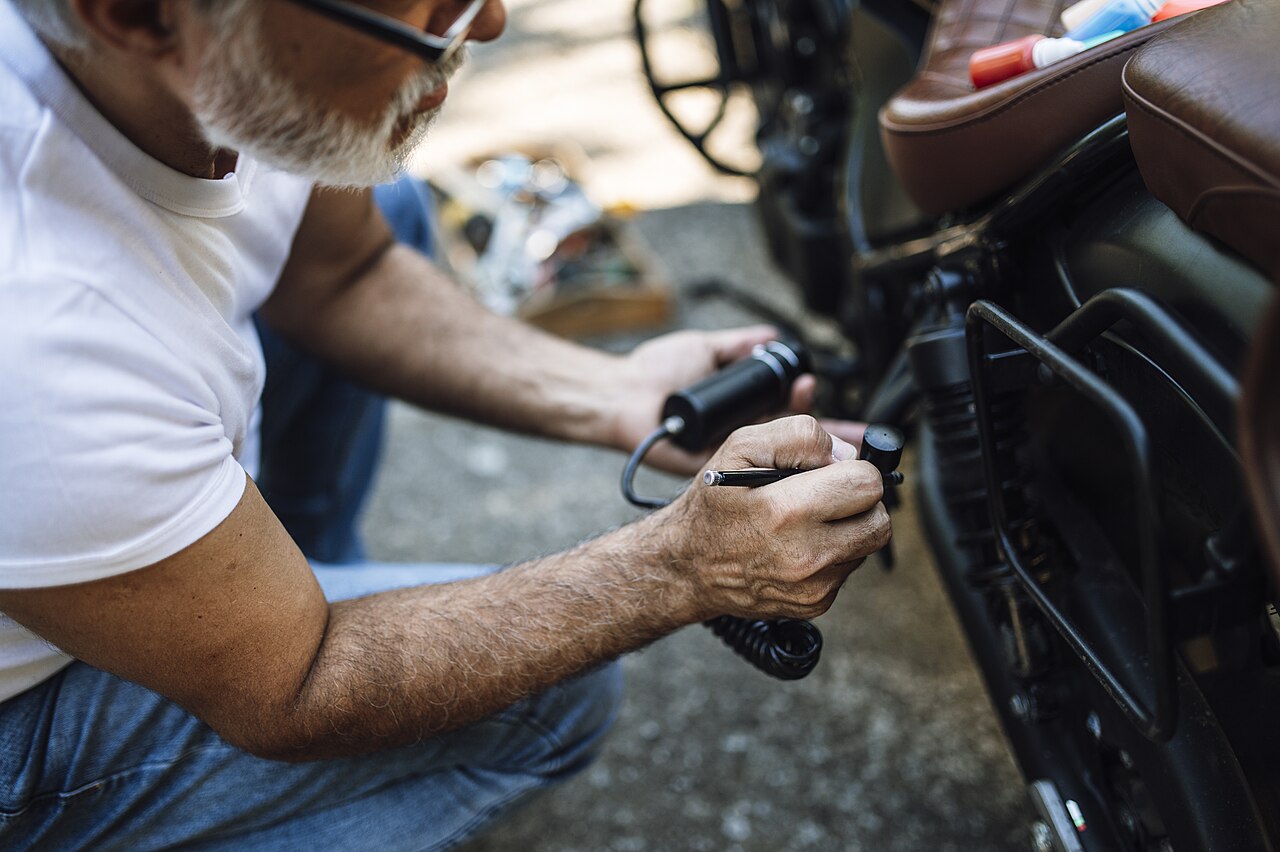
Research status: This is a product/technical evaluation based on the maker’s official specification or installation guidance, not an independently measured BfP test. The photograph is representative licensed motorcycle imagery and does not depict the named aftermarket part.
Crank horsepower and rear-wheel horsepower are not identical
A manufacturer’s published engine horsepower often differs from the figure measured at the driven wheel, where transmission, primary drive and tire losses influence the result. A comparison must declare which measurement is being used. Comparing a stock engine’s published crank horsepower with a modified motorcycle’s measured rear-wheel figure can distort the actual change.
Torque curves are often more useful for a heavy touring bike than a single peak horsepower headline. The output at cruising and roll-on rpm can matter more than what happens at redline.
Compare the same motorcycle under comparable conditions
For a credible before/after test, record the motorcycle VIN/model-year configuration without exposing private identifiers, engine displacement, initial condition, fuel used, temperatures, humidity, corrected versus uncorrected power, the dyno model, gear, tire and final modifications.
Change as few variables as practical between pulls. A different exhaust, fresh tire, altered gearing or different correction factor can make a camshaft’s individual effect difficult to isolate. A shop may measure the combined package, but the article must say that.
Cost is more than the shiny part
A cam install may require gaskets, bearings, lifters or oil-system inspection, new intake or exhaust hardware, calibration labour, dyno time and later checks. A suspension upgrade likewise includes setup, spring selection and possible service. A genuine buyer comparison should report total installed costs, not only list price.
A clear warranty agreement should explain what is covered if the motorcycle develops drivability or mechanical problems after the work.
Safety, noise and legality are part of the review
Emissions equipment, noise rules and applicable safety requirements cannot be treated as trivial afterthoughts. EPA’s guidance makes clear that unlawful emissions-control defeat is prohibited; a manufacturer selling a race part is not proof it can be installed on an ordinary street motorcycle.
A product review needs to identify the exact model, tune and approvals rather than promoting blanket ‘legal everywhere’ claims.
BfP’s planned benchmark protocol
Our future hands-on tests should disclose who paid for the parts and installation, whether the maker supplied them, what was measured and the conditions. We will request raw dyno sheets with setup parameters, repeatable runs and explicit limits. Until that is available, BfP will label pieces manufacturer-specification research.
Before buying or installing
- Ask whether all power figures are crank or rear wheel.
- Look for the complete torque curve and original baseline.
- Check correction method and repeated runs.
- Compare total installed price, warranty and compatibility.
- Confirm legal use on the specific roadgoing motorcycle.
Fitment, law and transparency
Before ordering or installing performance parts, check the exact motorcycle VIN, engine family, model year, throttle body, fuel system, CVO/VVT status and all manufacturer exclusions. Emissions and noise laws vary by jurisdiction. In the United States, EPA prohibits unlawful emissions-control tampering and aftermarket defeat devices; ‘for race use’ packaging is not a blanket legal exemption for street motorcycles. Canadian provincial and federal requirements need separate checking.
Original manufacturer and reference sources
S&S Cycle — Camshaft powerband guidance
EPA — Tampering and aftermarket defeat devices
Dynojet — Power Vision 4 platform
Manufacturer documents checked November 17, 2026. Product versions, current availability, technical exclusions, warranty coverage and regional regulations can change. Photo: licensed illustrative archival motorcycle imagery; full attribution is in the BfP photo credits.