HARLEY PERFORMANCE GARAGE / IGNITION / M8 ENGINE SYSTEMS / NOVEMBER 17, 2026
An M8 rider shopping for an ‘ignition box’ can easily encounter parts designed for an entirely different Harley generation. Milwaukee-Eight engines use electronic control strategies that integrate spark timing with fueling, sensors, operating conditions and other engine protection logic. A standalone older-style ignition module is not a universal plug-in M8 performance upgrade.
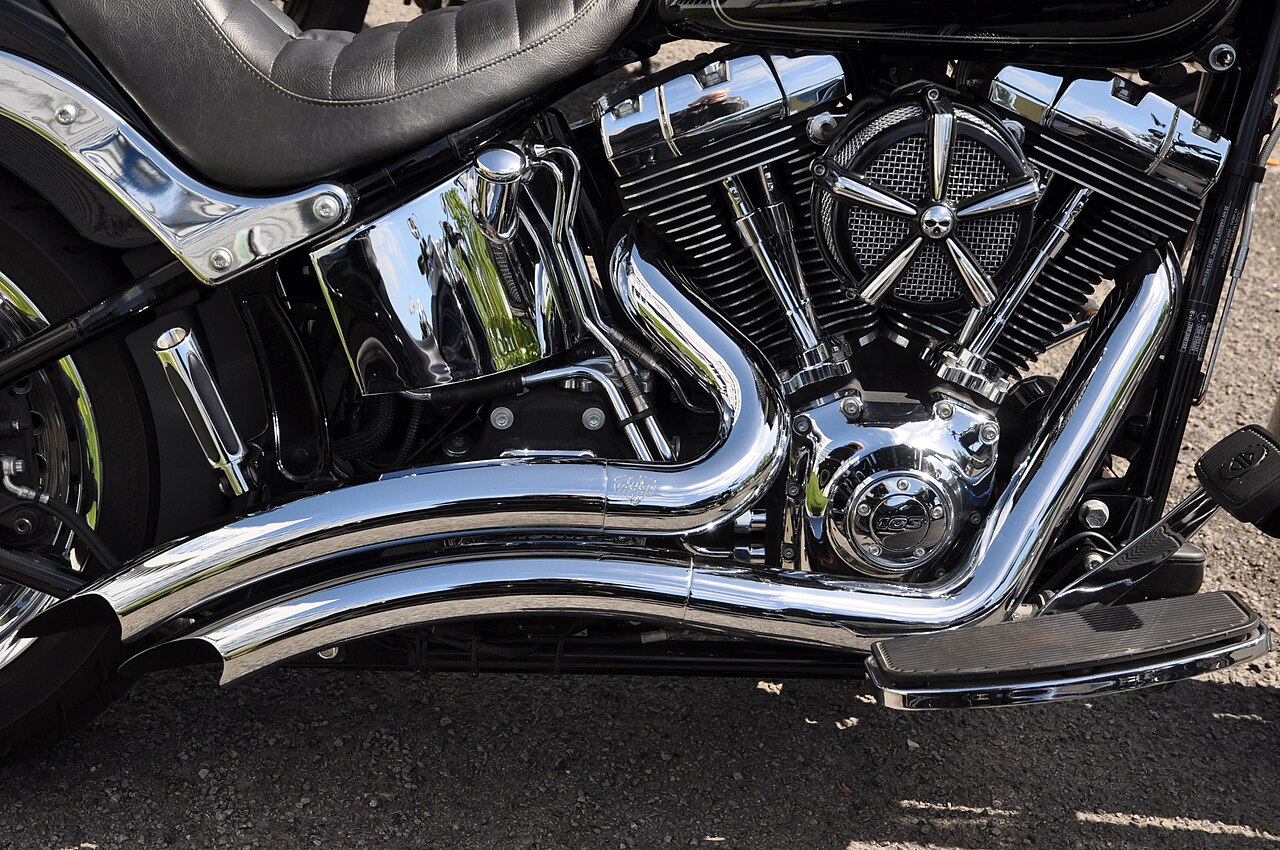
Editorial disclosure: Manufacturer-document research, not a paid endorsement or independent installation, dynamometer or road test. Featured photo is licensed, illustrative motorcycle imagery—not a photograph of the specified product.
How the upgrade question changes with the engine generation
A carbureted Twin Cam with a separate ignition module has very different control architecture from a modern M8 with integrated EFI and electronically managed spark. On an M8, ignition changes may involve the specific ECU, compatible calibration, ignition coils, plugs and harness. A product described for Evolution or TC88 engines cannot be assumed to fit.
The owner should identify the year and ECU generation—especially on newer Gen 2 Milwaukee-Eight machines and vehicles with VVT—before shopping. A model designation such as ‘114’ is not sufficient.
Do high-output coils guarantee horsepower?
A coil must provide adequate energy and correct dwell behavior for the engine. Higher marketing voltage is not an automatic horsepower increase when the stock system already fires the mixture reliably. Coil resistance, control-module compatibility and heat behavior are more useful information than a large advertised kilovolt number.
If a motorcycle has misfire under load, diagnose the root cause: spark plug condition, harness integrity, connectors, correct electrode gap, sensor readings, fuel supply and mechanical condition. Adding expensive coils to an unrelated fault may change nothing.
Spark plugs, heat range and service
Plugs should match the engine’s required design, reach, heat range and manufacturer-approved gap. A different heat range is not a casual ‘power’ modification; it can create fouling or excessive electrode temperature when misapplied. Follow model-specific service instructions, particularly on modified compression or forced-induction builds.
Harleys can have significant heat around coil and plug wiring, so routing and insulation are worth inspecting during service.
Why ignition timing belongs in an entire tune strategy
Spark advance interacts with combustion chamber, compression, load, intake temperature, fuel octane and engine knock protection. A safe calibration is built around the complete engine, not selected solely from a forum’s suggested number. A tune that reduces emissions compliance or disables factory protection may be unlawful or unreliable.
A professional tuner should be able to explain what is actually being changed, which sensors and safety functions remain operational and what tests support the calibration.
What BfP can document today
This is a foundational technical guide based on the distinctions in official modern ECU and legacy ignition documentation. It does not make a fabricated claim that any particular aftermarket coil, wire or spark plug produces a measured horsepower gain on a stock M8.
Questions to ask before ordering
- Which exact ECU family and engine generation is installed?
- Is there a diagnosed fault or merely a desire to change parts?
- What coil electrical specification is required by the controller?
- Which spark plug/heat range does the engine builder specify?
- What measurements demonstrate a benefit from the proposed change?
Road-use and safety boundaries
Fitment, software support, emissions and noise rules must be checked for the exact model and year. A product advertised for competition, or described as a performance part, is not automatically lawful for road use. In the United States, EPA prohibits unlawful tampering with emissions controls and defeat devices. In Canada, federal and provincial standards and on-road vehicle requirements must be evaluated separately. Never disable required safety functions or operate an unapproved calibration on a public road.
Primary manufacturer and regulatory references
- Dynojet — Gen 2 Milwaukee-Eight ECU differences
- Daytona Twin Tec — legacy ignition architecture
- EPA — emissions modification restrictions
Information checked November 17, 2026. Confirm the current instructions, manufacturer part numbers and approvals. Image credit: see the Biker Free Press photo credits.