HARLEY PERFORMANCE GARAGE / IGNITION / CLASSIC TWIN CAM / NOVEMBER 17, 2026
Older carbureted Twin Cam motorcycles use ignition systems that are fundamentally different from today’s integrated Milwaukee-Eight engine management. Daytona Twin Tec’s TC88 and TC88A illustrate why an ignition-system upgrade must be chosen by the actual wiring, model year and ignition module rather than engine name alone.
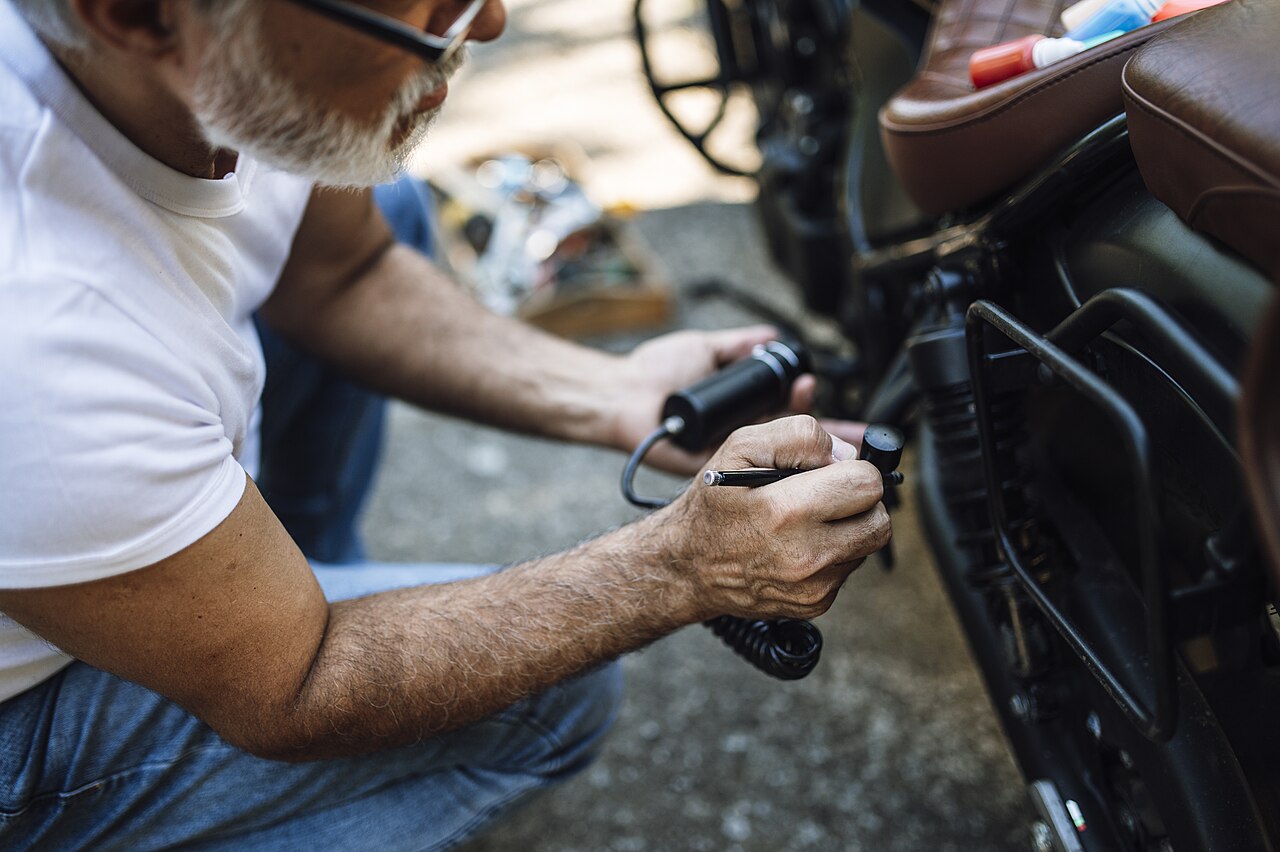
Editorial disclosure: Manufacturer-document research, not a paid endorsement or independent installation, dynamometer or road test. Featured photo is licensed, illustrative motorcycle imagery—not a photograph of the specified product.
The connector and year split
Daytona Twin Tec states that its TC88 module is intended for certain 1998/1999–2003 carbureted Twin Cam 88 models with two 12-pin connectors, while the TC88A is intended for 2003–2006 carbureted models using a single 12-pin connector. The company cautions that 2003 was a transition year, with some bikes using the newer design.
For a 2003 carbureted Twin Cam, checking the existing module and connectors is more reliable than buying based on the registration year. A Delphi EFI bike uses a different engine-management configuration and is not automatically compatible.
What an ignition module controls
The TC88 products provide control over spark timing and engine rpm limits, with optional computer programming capabilities depending on configuration. Altering ignition advance can affect starting, detonation risk, heat and performance under load. The legal objective is a healthy, reliable engine—not the largest advance number on a dial.
An engine with increased compression, different camshaft, modified cylinder heads or poor fuel quality may require a different safe timing curve from stock. A module allows adjustment; it does not independently detect every dangerous condition.
Coils, wires and the entire system
Module compatibility must include the ignition coil, spark plug wiring, connector type, pickup and factory safety electronics. Twin Tec notes that the TC88A supports the J1850 data bus and its communication with other bike systems. A module that fits mechanically but interrupts security or instruments is not a successful upgrade.
Inspect old harnesses for brittle insulation, corrosion and poor grounds before blaming the control unit for every hard-start or misfire symptom.
Road-use approvals are model specific
Daytona Twin Tec also markets an EO-legal TC88A-EX offering, but the existence of an exempt variant does not make every TC88 module or timing calibration compliant. Read the exact product number, approved motorcycles and requirements.
If a product is not legal for the roadgoing application, that needs to be disclosed rather than disguised by a competition-only label.
What BfP would measure
An independent evaluation would check stable starting, timing consistency, misfire behavior, performance and heat under controlled load, compatibility with indicators and any effect on emissions. We have not fitted or tested TC88-family modules.
Questions to ask before ordering
- Carbureted Twin Cam or EFI—and which exact connector?
- Is the motorcycle a transition 2003 model?
- Which coil and wiring configuration is required?
- Is the specific ignition module approved for road use?
- Can timing and diagnostic behavior be recorded by the installer?
Road-use and safety boundaries
Fitment, software support, emissions and noise rules must be checked for the exact model and year. A product advertised for competition, or described as a performance part, is not automatically lawful for road use. In the United States, EPA prohibits unlawful tampering with emissions controls and defeat devices. In Canada, federal and provincial standards and on-road vehicle requirements must be evaluated separately. Never disable required safety functions or operate an unapproved calibration on a public road.
Primary manufacturer and regulatory references
- Daytona Twin Tec — Official FAQ, TC88 versus TC88A
- Daytona Twin Tec — TC88A-EX approved product
- Daytona Twin Tec ignition catalog (PDF)
Information checked November 17, 2026. Confirm the current instructions, manufacturer part numbers and approvals. Image credit: see the Biker Free Press photo credits.