
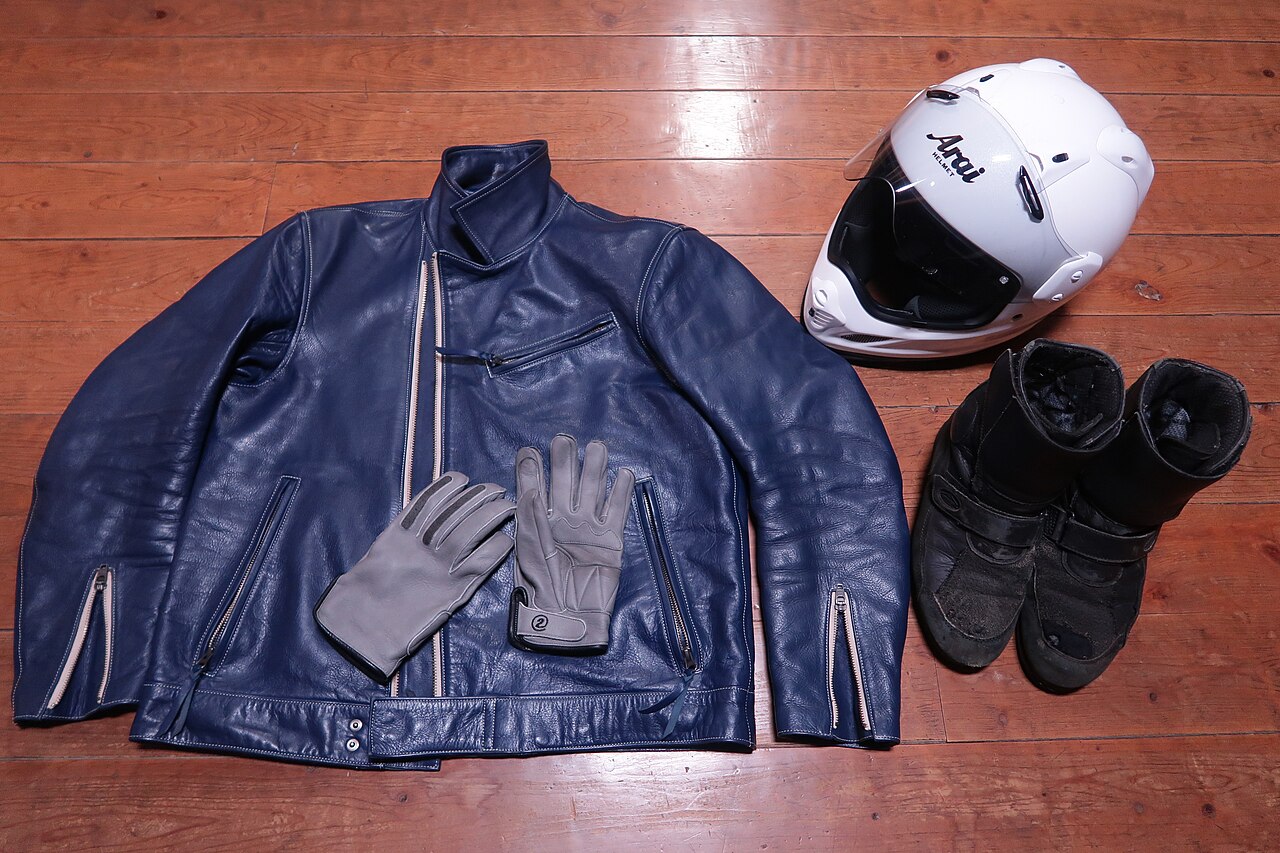
GEAR RESEARCH DESK · NOVEMBER 2026 · BUYING GUIDE (NOT A ROAD TEST)
Two riding jackets can look nearly identical and offer very different documented protection. A garment’s EN 17092 classification is useful evidence, but it needs to be read alongside fit, armour and the way the jacket is actually constructed.
Understand the garment standard first
EN 17092 addresses protective garments for motorcycle use, with assessment relating to matters such as abrasion, seam strength and other construction requirements. A, AA and AAA denote different classes. AAA is designed for a higher level of tested garment performance, while A may allow lighter and more flexible equipment. They are not simply price brackets.
Don’t confuse a maker’s claim that fabric is ‘abrasion resistant’ with a complete certified garment. Look for the actual garment label and accompanying manufacturer documentation.
Armour is a different layer of the system
A jacket may be certified as a garment while including impact protectors of varying types and levels. Inspect the shoulders and elbows for fit and certification, and check whether a back protector is included or merely an optional pocket. A thin foam insert is not necessarily equivalent to a tested back protector.
The protectors must stay positioned over the intended joints when the rider reaches for the handlebar, leans or turns. Excellent test results on paper cannot compensate for a jacket that rides up or puts the elbow pads in the wrong place.
Climate and comfort still matter
Airflow, waterproof membranes, cuff construction and adjustment points affect whether riders will wear the garment over a full day. A high-protection garment that is unused because it is unbearable in local heat offers little practical value. The goal is to choose suitable protection that remains usable on real rides.
Check thermal layering and rain arrangements. A jacket that fits tightly in summer clothing may become restrictive when a cold-weather midlayer is added.
Don’t borrow a lab’s claims
EN 17092 ratings describe the scope of that certification, not a guarantee against injury at a precise road speed. Marketing charts that translate classes into a single ‘safe mph’ can mislead; actual crashes involve surface, body movement and other variables.
A sensible buying checklist
- Read the complete EN 17092 class on the garment label.
- Check shoulder and elbow protector markings and whether back protection is supplied.
- Try the jacket while seated in riding posture and moving both arms.
- Confirm abrasion panels, closures and attachment to compatible riding trousers.
- Review the maker’s care instructions and whether waterproofing is part of the construction.
Sources and test disclosure
This article summarizes published standards, official guidance and product-category considerations. Biker Free Press has not independently laboratory-tested or road-tested a named product for this guide; there is no fabricated performance score or sponsored ranking.