HARLEY PERFORMANCE GARAGE / TECHNICAL FILE / NOVEMBER 17, 2026
More power is only a complete performance upgrade when the bike can be controlled and stopped safely. A Harley Touring motorcycle carrying a passenger and luggage may demand consistent braking over a long descent, while a stripped-down performance Dyna poses different heat and handling challenges. Brake pads and rotors should be chosen as a compatible system, not an isolated fashionable upgrade.
Research and engineering explainer, not a claimed physical installation, road or laboratory test by BfP. Featured motorcycle photography is illustrative.
Pad compounds and the right operating range
Aftermarket pads can use organic, sintered or other material families, each with a different balance of initial bite, hot friction, rotor compatibility, feel and wear. EBC catalogs explicitly distinguish HH high-performance sintered options. The label doesn’t automatically establish superior braking on every street motorcycle, and some competition compounds may be unsuitable at normal road temperatures.
Brake rotors, calipers and physical fit
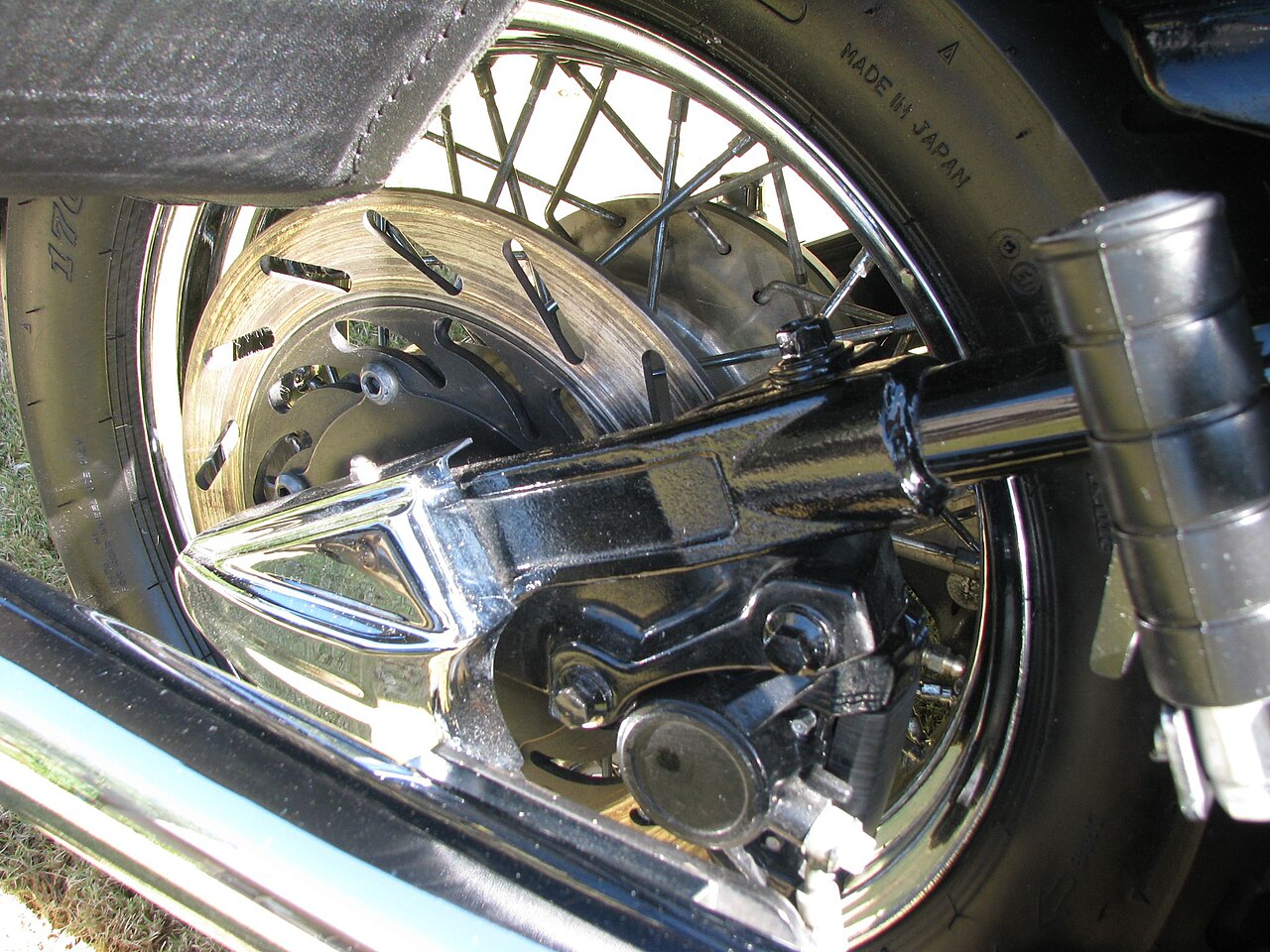
Rotor diameter, thickness, offset and the caliper’s mounting pattern affect mechanical fit. Changing one component without checking wheel, fork, ABS sensor and suspension clearance can create a dangerous configuration. Use current maker application charts for the exact Harley, not a generic brake-kit description.
Master-cylinder and lever feel
Hydraulic leverage depends on the master-cylinder and caliper relationship, line condition and fluid state. Changing pad friction cannot cure a corroded piston, old fluid or an incorrect master cylinder. The brake lever must have correct travel and predictable response.
ABS and rider-assistance systems
Modern Harley cornering ABS systems can integrate wheel-speed and vehicle-dynamics information. Modified components, tire dimensions and sensor arrangements should be evaluated against the original design requirements and manufacturer instructions. Never disable required ABS or safety control functions for an unverified performance claim.
How to measure performance
A credible test records speed, test surface, dry/wet conditions, tire model/temperature, rider load, brake temperature and repeated stopping distances. One aggressive stop can be misleading. Properly maintained standard brakes may outperform a poorly set-up flashy aftermarket combination.
Build and maintenance costs
A brake upgrade budget includes matched pads, rotors, seals, hydraulic hoses, professional labor, bedding procedures and inspection. The cost should be measured against appropriate service and safety rather than merely an attractive caliper colour.
Research status
BfP has not brake-dyno tested or measured stopping distances for a particular aftermarket Harley kit. This article uses manufacturer technical guidance and safety principles, not a fabricated ranking.
Builder’s review checklist
- Confirm part numbers for exact wheel and caliper setup.
- Read pad/rotor material compatibility and maker approvals.
- Inspect hydraulic system, fluid and seals first.
- Verify ABS sensor and control-system integrity.
- Compare instrumented, repeatable stopping-distance data.
Original sources
- EBC motorcycle pad catalog and HH sintered definition (PDF)
- Brembo brake pad technology
- Motorcycle Safety Foundation operator manual
Safety-critical changes must be performed and checked with official service procedures. Road compliance depends on the actual product and location. Photo credits: Biker Free Press.