A loaded cruiser can feel different after a small pressure change. Tire pressure affects handling, load support and tire wear, yet the reading can be misleading if it is taken after a long hot ride.
Understand cold versus hot
Michelin advises checking motorcycle tire pressure before riding or when the tires are sufficiently cold. Tire temperature and pressure naturally rise as the motorcycle moves. Releasing air from a hot tire simply to match the recommended cold setting can leave the tire underinflated once it cools.
The correct target depends on the motorcycle, tire combination and intended load. Manufacturer guidance and the bike’s owner’s manual are the starting points, not the tire’s sidewall maximum.
Use a consistent gauge and routine
Use a reliable pressure gauge and keep the same units as the owner’s manual. Measure both tires, make changes when cold, and record the settings for solo versus loaded touring when specified. The valve caps should be replaced and tire valves checked for damage.
Michelin recommends regular pressure inspections and especially a check before long journeys. A loss that repeats between inspections may indicate a leaking valve, puncture or wheel issue.
Look at condition as well as pressure
A properly inflated tire may still be unfit because of cuts, sidewall damage, cracking, bulges, embedded objects or abnormal tread wear. A tire’s date code and history matter, but no one figure substitutes for inspecting its physical condition.
The Motorcycle Safety Foundation’s T-CLOCS list emphasizes tires, wheels and brake checks before the ride. A tire repaired after a puncture may require a professional inspection or replacement depending on location and damage.
Don’t copy track-specific advice onto the highway
Manufacturers may publish special tire pressure tables for racing or track equipment under specified temperature and load conditions. They are not generic settings for touring tires on public roads. A pressure chosen for track warmers is not necessarily appropriate for a two-up highway cruiser.
Use road-use recommendations for the exact motorcycle and tire. When information conflicts, consult the motorcycle and tire manufacturers or a trained motorcycle tire technician.
When it feels wrong, stop
Sudden vibration, steering changes or a tire-pressure warning deserve attention rather than another hundred miles. Pull over safely, inspect the bike and arrange help when needed.
Primary references
- Michelin Canada — Check Your Motorcycle Tire Pressure
- Motorcycle Safety Foundation — T-CLOCS Checklist
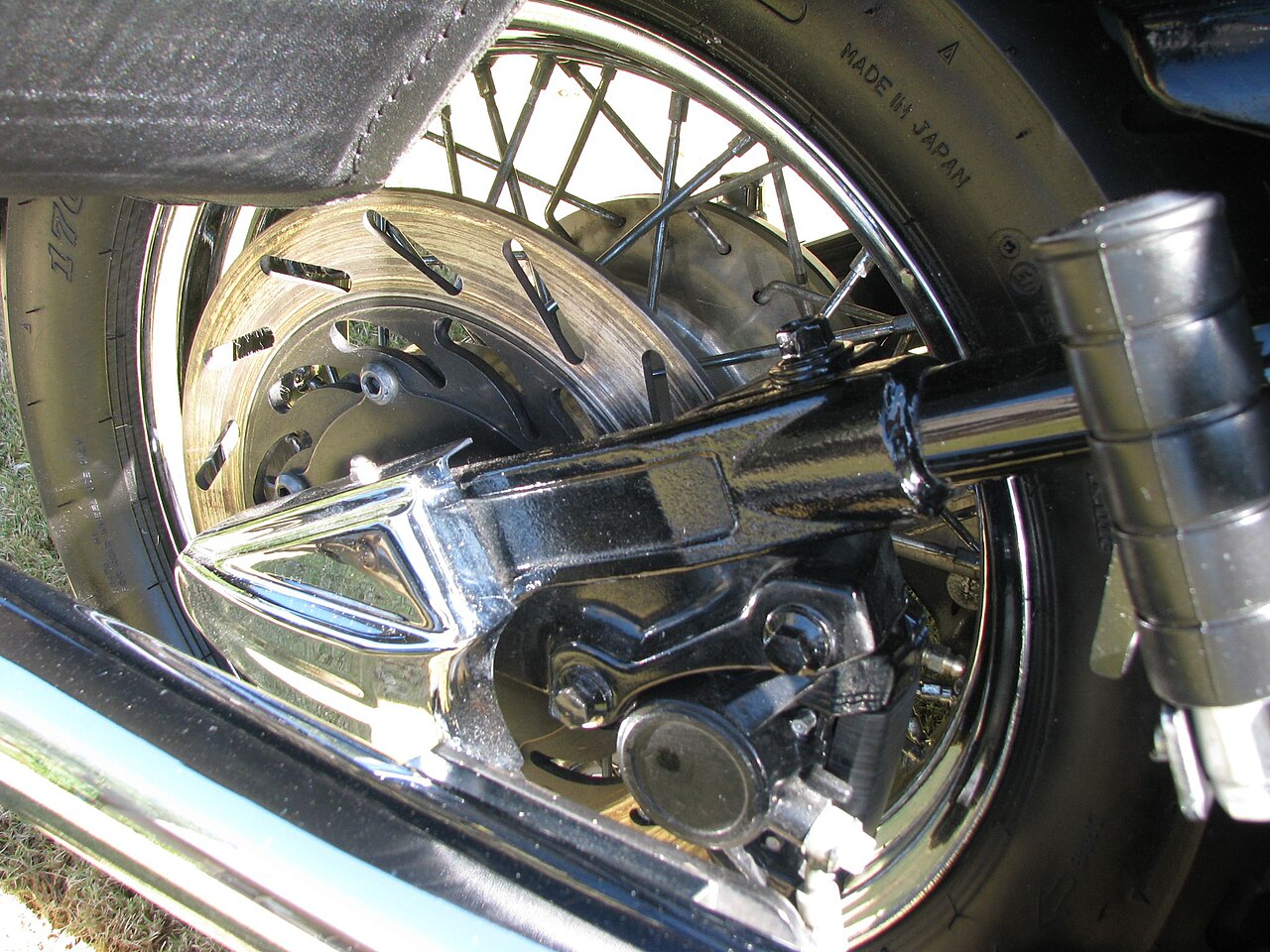
Biker Free Press guide, November 2026. This is source-based guidance, not a product road test. Featured image: Public Domain Images, Wikimedia Commons, public domain; representative/archival, not testing performed by our editors.